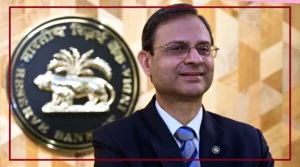

The Reserve Bank of India (RBI) has introduced new rules to make bank lending more transparent and prevent conflicts of interest.
Starting April 1, 2026, banks will no longer be allowed to lend money to:
Their promoters
Major shareholders
Companies controlled or influenced by these individuals

The goal is to strengthen governance, improve transparency, and reduce unethical lending practices.
What Banks Must Do
Under the new rules, banks will have to create board-approved policies for lending to related parties.
These policies will include:
- Loan limits: Large banks – ₹25 crore, medium banks – ₹10 crore, small banks – ₹5 crore
- Approval process: Loans above these limits must get board or committee approval
- Quarterly audits: Banks must audit related-party loans and report any discrepancies
- Recusal rules: Directors or officials with a personal stake cannot participate in loan decisions
Banks will also maintain an updated list of all affiliated individuals and companies to ensure compliance.
Who Is Affected
The new rules apply to:
Promoters, their relatives, and shareholders holding 10% or more
Companies controlled or influenced by these individuals
Exemptions exist for companies where the bank is only an investor, not in control.

Listed banks must follow both RBI and SEBI rules for intra-group lending limits.
Consequences of Non-Compliance
Existing loans that don’t follow the new rules will continue until their term ends.
However, banks must strictly follow these rules going forward.
Violating the rules may lead to:
Fines and penalties
Higher provisioning requirements
Forensic audits
Temporary suspension of business
The RBI has also clarified changes to the definition of related parties, removing some old limits and excluding certain government-appointed nominee directors.
Key Takeaway
These changes are designed to ensure banks lend responsibly, avoid conflicts of interest, and strengthen trust in the financial system.
Banks and their officials must follow the rules carefully, or face strict consequences.