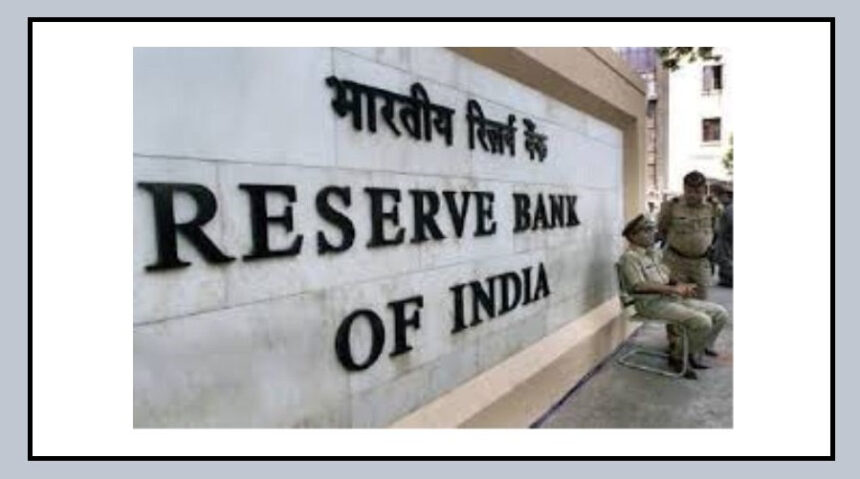
The Reserve Bank of India has permanently cancelled the banking license of Shimsha Sahakara Bank Niyamitha, a cooperative bank located in Mandya district in Karnataka.
After a long legal battle, the decision has now become final.
This means the bank can no longer carry out any banking activities, and the order has taken effect immediately.
How the Dispute Started
The issue goes back to July 5, 2024, when the RBI first ordered the cancellation of the bank’s license and asked it to stop all banking operations.
However, the bank challenged this decision in the Karnataka High Court.

After hearing the case, the court issued an interim stay order on July 25, 2024, temporarily stopping RBI’s action.
Because of this stay order, the restrictions on the bank were extended several times.
The last extension allowed the bank to continue operations until May 24, 2026.

Court Decision Ends the Case
The major turning point came on February 17, 2026.
On that day, the High Court dismissed the bank’s petition after it was withdrawn.
As soon as the petition was dismissed, the earlier RBI order from July 2024 became active again.
This led to the final cancellation of the bank’s license.
What the Bank Can No Longer Do
After the cancellation of its license, the bank is now restricted under the Banking Regulation Act, 1949.
This means the bank can no longer:

Accept deposits from customers
Allow withdrawals or conduct financial transactions
Use the word “banking” in its operations
In simple terms, the bank has completely stopped functioning as a bank.
What Happens to Customers’ Money
Whenever a bank shuts down, customers worry about their deposits.
In this case, the bank’s assets will now be reviewed and a liquidator may be appointed to manage the closure process.
Depositors may receive their money according to the rules of the Deposit Insurance and Credit Guarantee Corporation (DICGC).
Under these rules, deposits up to ₹5 lakh per customer are insured, which means eligible customers can receive their insured amount even if the bank shuts down.
Why RBI Took This Step
The RBI says such actions are necessary to maintain discipline and stability in the banking sector.
Strict monitoring helps protect customers and prevent financial risks.
For people in Maddur and nearby areas of Mandya district, the closure may come as a major setback.
However, regulators believe strong action like this is important to ensure safer banking for everyone.