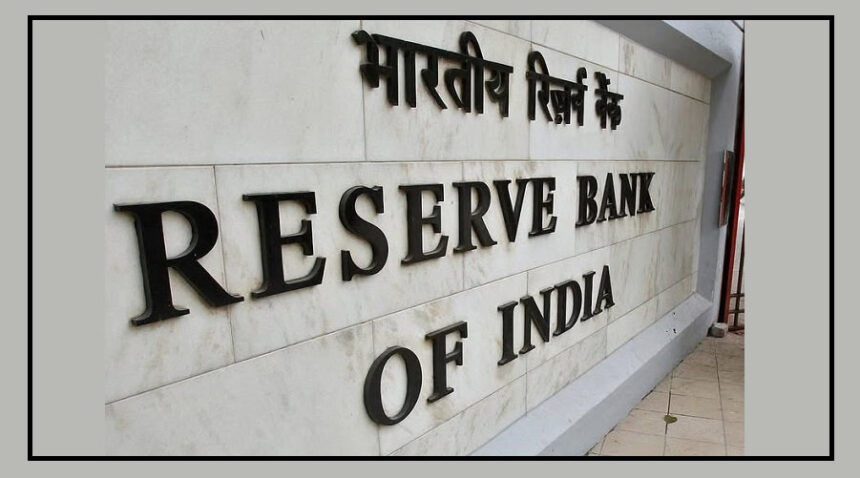
The Reserve Bank of India has taken strict action against a weak co-operative bank by cancelling the licence of Shirpur Merchants Co-operative Bank.
The decision was made due to serious concerns about the bank’s financial health.
The bank officially stopped all operations after the close of business on April 6, 2026.
Authorities have also been instructed to begin the process of shutting down the bank and appoint a liquidator.
Why Did RBI Take This Step?
The RBI found that the bank:
Did not have enough capital
Lacked stable income to continue operations
Was not in a position to repay depositors fully

Because of these issues, the central bank said allowing the bank to continue would harm customers’ interests.
As a result, the bank is now completely barred from:
Accepting deposits
Giving loans
Carrying out any banking activity
What Happens to Customers’ Money?
This is the biggest concern for depositors — and there is some relief.

Deposits are insured under the Deposit Insurance and Credit Guarantee Corporation (DICGC), which means:
Each depositor is covered up to Rs 5 lakh
Around 99.7% of customers are expected to get their full money back
So far, about Rs 48.95 crore has already been paid out to depositors.
What Does Liquidation Mean?
Since the bank is being shut down, it will go through a liquidation process.
This means:
A liquidator will be appointed
The bank’s assets will be sold
Payments will be made to depositors as per rules
What This Means for You
If you are a customer of this bank, your deposits are largely protected under insurance limits.
More broadly, this move shows that the RBI is closely monitoring banks and taking action when needed to protect depositors.
It also highlights why it’s important to keep your bank deposits within insured limits, especially when dealing with smaller or co-operative banks.