
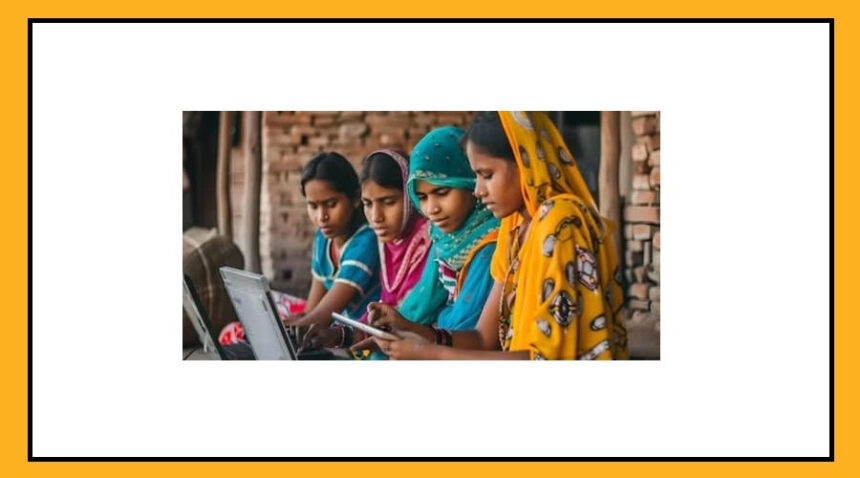
A controversial decision by a caste panchayat in Rajasthan has sparked widespread protests and renewed debates about women’s rights and digital freedom.
In 15 villages of Jalore district, the local community body has banned women and girls from using smartphones, allowing only basic feature phones without internet or camera access.
The ban is set to take effect from January 26, 2026, and has drawn sharp criticism from activists, locals, and civil society groups, who say it is a step backward in a rapidly digitalizing world.
What the Ban Entails
Under the panchayat’s ruling:
Women, daughters-in-law, and young girls cannot own or carry smartphones.

Devices with cameras or internet are strictly prohibited.
Even using a phone at weddings, visiting relatives, or outside the home is not allowed.
Only basic phones are permitted for essential communication, and school-going girls can use smartphones for educational purposes only at home.

Why the Panchayat Supports the Ban
Panchayat leaders argue that excessive smartphone use harms eyesight, behaviour, and social values.
They claim the ban is meant to:
Preserve traditional culture
Protect children from distractions and “harmful digital influences”
Maintain social harmony and family structures in rural areas
Supporters within the community believe that limiting smartphone access helps strengthen family and social norms.

Criticism and Opposition
Opposition has been swift and vocal.
Critics argue that smartphones are now a necessity, not a luxury, for:
Education
Safety
Healthcare access
Employment opportunities
Awareness of rights and government schemes
Women’s rights activists say the ban is discriminatory and unconstitutional, pointing out that gender-based technology restrictions deepen inequality.
Legal experts also note that such community decisions cannot override individual freedoms guaranteed by law.
Tradition vs Technology
The controversy has sparked a broader conversation about tradition versus progress.
While some agree that screen time needs moderation, banning smartphones only for women reflects outdated thinking rather than genuine concern.
In a country promoting digital inclusion, online education, and women empowerment, this ban raises difficult questions about who controls technology access and at what cost.
A Deeper Issue of Rights and Autonomy
Beyond smartphones, this debate highlights the struggle for women’s autonomy in rural India.
Protesters are demanding intervention to protect constitutional rights, ensuring that community customs do not override personal freedoms.