

Following the announcements in Budget 2026, the government has released draft Income Tax Rules under the upcoming Income Tax Act, 2025.
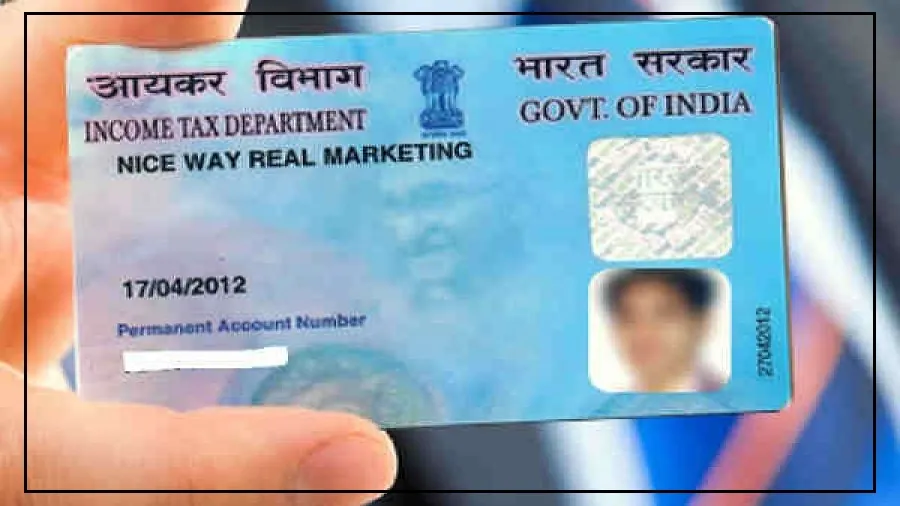
These rules suggest major changes in situations where quoting a Permanent Account Number (PAN) will be mandatory.
The Central Board of Direct Taxes (CBDT) has invited public feedback before finalising these proposals.
If approved, the changes will apply from April 1, 2026.
Higher PAN Threshold for Cash Transactions
One of the biggest changes relates to cash deposits and withdrawals with banks.

Under the draft rules, PAN will be required only if the total cash transaction reaches Rs 10 lakh or more in a financial year, across one or multiple bank accounts.
Currently, PAN must be quoted for cash deposits above Rs 50,000 in a single day, which has been a compliance burden for many taxpayers.
PAN Rules Eased for Hotels, Events and Properties
The government is also planning to relax PAN requirements in the hospitality and events sector.

PAN would be needed only if payments for hotels, restaurants, banquet halls, convention centres, or event management services exceed Rs 1 lakh.
At present, the threshold stands at Rs 50,000.
For property transactions, the PAN threshold may increase from Rs 10 lakh to Rs 20 lakh for purchases, sales, gifts, and joint-development agreements involving immovable property.
Other Important Changes in the Draft Rules
The draft rules also propose PAN requirements in a few new areas.
PAN may be mandatory for opening an account-based relationship with insurance companies.
In addition, crypto exchanges could be required to share transaction details with the Income Tax Department under new reporting rules.

The proposals also officially recognise Central Bank Digital Currency (CBDC) as an accepted electronic mode of payment.
When These Changes Are Likely to Apply
All these changes will take effect only after the Income Tax Act, 2025 is implemented from April 1, 2026, following stakeholder consultations and final notification of the rules.
For now, taxpayers can review the draft proposals and share feedback before the rules are finalised.