Cyber fraud cases are increasing every year in India. Fraudsters have cheated people out of crores and even billions of rupees, ruining many lives.
In several cases, individuals have lost their entire savings and been left helpless. Most of these cyber crimes are being operated from outside the country, making it a serious challenge for the government and regulatory agencies.
Government Strengthens Cybersecurity Measures
To control cyber fraud, agencies like the RBI, NPCI, and TRAI are regularly introducing new rules and technology upgrades.
Recently, NPCI disabled a UPI feature that fraudsters were misusing to send fake money requests and cheat users.
TRAI has also tightened SIM card KYC rules and introduced a separate number series for promotional calls to reduce misuse.

In addition, RBI and TRAI are jointly working on a digital system that will allow bank customers to view, manage, and cancel permissions they have previously given for promotional calls and messages.
Major Cybersecurity Changes Coming in 2026
The government and regulators are now preparing new measures that will play an important role in protecting mobile users from fraud. Two major changes are currently being discussed and are expected to be implemented by 2026.
CNAP: Caller’s Name Will Be Visible on Every Call
Many cyber criminals pretend to be bank officials, government employees, or known contacts. To stop this type of fraud, TRAI has instructed telecom companies to implement Caller Name Presentation (CNAP).

Under CNAP, the verified name of the caller will appear on the user’s screen during every call.
This name will be taken from the KYC details submitted while purchasing the SIM card. The system is currently in the trial phase and is expected to be launched across the country by early 2026.
SIM-Binding to Prevent Messaging App Misuse
Fraudsters often use Indian mobile numbers on WhatsApp and other messaging apps and discard the SIM cards afterward to avoid being traced.
To tackle this issue, the Department of Telecommunications has decided to make SIM-binding mandatory.
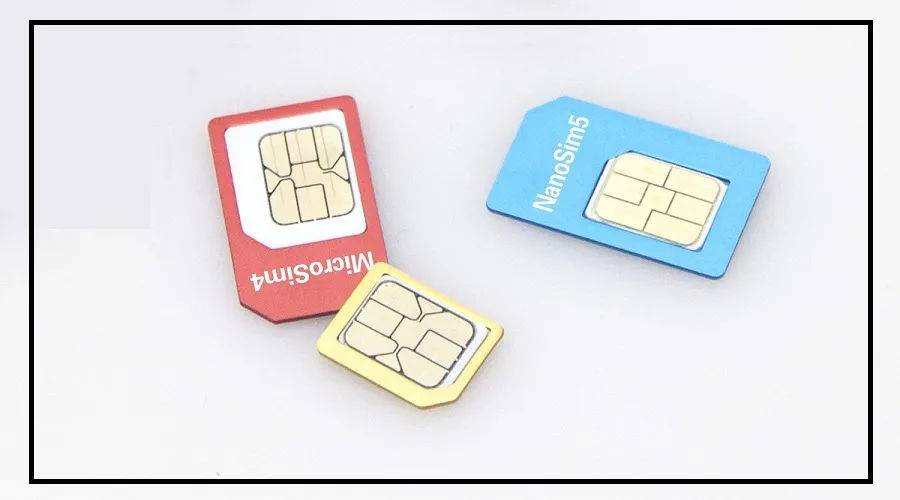
Once SIM-binding is implemented, messaging apps will work only if the physical SIM card linked to the number is present in the phone.
Without the SIM card, the app will not function. In November, the DoT gave companies 90 days to implement this rule, and it is expected to be fully enforced by 2026.

Impact on Common Mobile Users
These new rules could significantly reduce fraudulent calls and messages. With caller names clearly visible and stricter controls on messaging apps, fraudsters will find it harder to cheat people.
The year 2026 could become a major turning point for digital security and safety for mobile users in India.