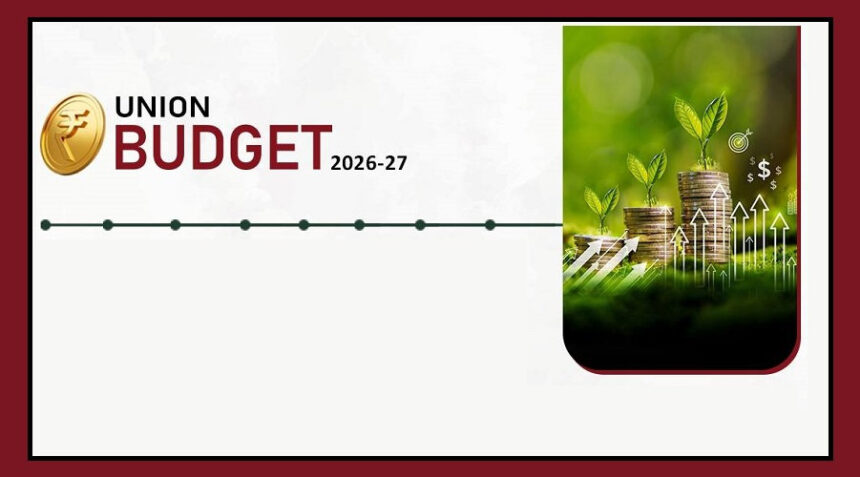
The Union Budget 2026-27, presented by Finance Minister Nirmala Sitharaman on February 1, has not changed income tax rates or slabs.
However, it has introduced new deadlines and rule changes that taxpayers should know for better planning.
These provisions will apply from April 1, 2026, when the new financial year begins.
Key Income Tax Announcements in Budget 2026
While tax rates remain the same, several important changes have been announced:
Interest awarded by Motor Accident Claims Tribunals will now be fully tax-free, with no TDS.

TCS on overseas tour packages has been reduced to 2%.
The same 2% TCS will apply to foreign remittances for education and medical purposes under LRS.
Small taxpayers can now get lower or nil TDS certificates through an automated process, without visiting tax officers.
Revised ITRs can be filed till March 31, instead of the earlier December 31 deadline, by paying a small fee.
ITR filing deadlines will be staggered:
ITR-1 and ITR-2: till July 31
Non-audit business cases and trusts: till August 31
For property purchased from non-residents, TDS can now be paid using the buyer’s PAN, removing the need for a TAN.
A new Income Tax Act, 2025 will replace the old 1961 law from April 1.

Income Tax Slabs for FY 2026-27
Tax slabs for FY 2026-27 remain unchanged.
The new tax regime continues as the default option.
New Tax Regime: Default Option
Under the new regime, individuals earning up to ₹12 lakh a year are effectively tax-free, provided the income is normal income and not capital gains.
New tax slabs:
₹0 to ₹4 lakh: Nil
₹4 lakh to ₹8 lakh: 5%
₹8 lakh to ₹12 lakh: 10%
₹12 lakh to ₹16 lakh: 15%
₹16 lakh to ₹20 lakh: 20%
₹20 lakh to ₹24 lakh: 25%
Above ₹24 lakh: 30%
Key benefits under the new regime include:
Standard deduction of ₹75,000 for salaried employees and pensioners
Section 87A rebate for income up to ₹12 lakh
NPS deduction up to 14% of basic salary under Section 80CCD(2)
Salaried taxpayers can still choose the old regime while filing returns, but late filings can only be done under the new regime.
Old Tax Regime: Still Useful for Some
The old tax regime continues to benefit taxpayers who claim multiple deductions and exemptions.
These include:
Section 80C deductions up to ₹1.5 lakh
House Rent Allowance (HRA)
Home loan interest under Section 24
Health insurance under Section 80D
Education loan interest under Section 80E
Standard deduction of ₹50,000
Tax slabs under the old regime vary by age group:
Below 60 years: No tax up to ₹2.5 lakh
Senior citizens (60–80 years): No tax up to ₹3 lakh
Super senior citizens (80+): No tax up to ₹5 lakh
New vs Old Tax Regime: Which Is Better?
Tax experts say the right choice depends on income level and deductions claimed.
The new regime suits most people earning up to ₹12 lakh, especially those with fewer deductions.
The old regime works better for taxpayers who invest heavily in tax-saving instruments, claim HRA or home loan benefits, or are senior citizens with multiple deductions.
Final Takeaway
Budget 2026-27 focuses more on simplifying tax compliance rather than changing tax rates.
With extended deadlines, lower TCS, and a new tax law coming into force, taxpayers now have more flexibility and clarity.
Choosing the right tax regime will depend on your income structure and how well you use available deductions.