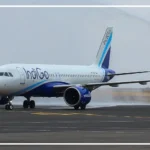

A major step has been taken to ease air traffic at Mumbai’s Chhatrapati Shivaji Maharaj International Airport. The airport operator has commissioned a new taxiway called Taxiway ‘M’. T
his new facility will help reduce runway congestion and improve flight turnaround times, especially during peak hours.
After receiving approval from the Directorate General of Civil Aviation (DGCA), operations on Taxiway ‘M’ began on December 25, 2025. The new taxiway is expected to benefit both passengers and the environment.
Benefits for Passengers and the Environment
Taxiway ‘M’ will increase overall operational efficiency at the airport. Aircraft will need to travel shorter distances on the ground, which will lead to fuel savings. Reduced ground movement time will also help lower carbon emissions.
With less congestion, passenger travel time will improve, and flights are likely to operate more smoothly. The new taxiway will help Mumbai Airport manage current traffic pressure and also prepare for future growth in air traffic.

Why Was Taxiway ‘M’ Needed?
Mumbai Airport is one of the busiest single-runway airports in the world, handling more than 950 flights every day.
Earlier, there was only one taxiway running parallel to Runway 09/27. This created regular challenges in maintenance, traffic flow, and ground operations.
Due to these issues, the demand for an additional taxiway had been pending for a long time.

How the New Taxiway Will Improve Operations
With a second taxiway running parallel to Runway 09/27, aircraft waiting time between takeoff and landing will reduce. Flight movements will be faster and more organized, particularly during busy hours.
Airlines are expected to see better on-time performance, and Air Traffic Control (ATC) will have more flexibility in managing aircraft movements.
Construction Completed Despite Challenges
The construction of Taxiway ‘M’ was not easy. The planned route crossed the location of the Aircraft Rescue and Fire Fighting (ARFF) building. To complete the project, the entire facility was relocated.
Despite this challenge, construction was completed successfully without disrupting emergency services at the airport.