
India’s largest car maker, Maruti Suzuki, has announced the price of its first electric SUV, the e-Vitara. The starting price is ₹10.99 lakh. However, this price comes with a twist.
It is based on the Battery-as-a-Service (BaaS) model, which means the battery cost is not included in the car’s base price and will be paid separately.
Under the BaaS model, customers pay ₹10.99 lakh for the SUV and then pay ₹3.99 per kilometre for battery usage.
This means the more you drive, the more you pay for the battery. The company says this system is meant to make electric vehicles more affordable and easier to buy.
Benefits of the Battery-as-a-Service Model
This model lowers the initial cost of buying an EV because customers do not need to pay the full battery price upfront. It also reduces worries about battery maintenance and replacement.
Because of this, first-time EV buyers may feel more confident about switching to electric vehicles.
For example, if you drive about 1,000 km per month, the battery usage cost would be around ₹3,990. So buyers should decide if this pricing model suits their driving habits.
Variants, Battery Options and Range
The Maruti e-Vitara will be available in three variants: Delta, Zeta and Alpha.
It will come with two battery options:
49 kWh battery — Delta variant
61 kWh battery — Zeta and Alpha variants
According to the company, the SUV can deliver a claimed driving range of up to 543 km on a full charge. The e-Vitara is expected to feature modern styling, advanced features, good driving range and suitability for city use, making it an important step for Maruti in electric mobility.
Made in India and Global Launch Plans
The e-Vitara is manufactured in India but will also be sold globally. Production started in August 2025, and by the end of the year about 13,000 units had already been exported to 28 countries.
The model has been developed through global cooperation between Suzuki Motor Corporation and Toyota.
Charging Network Expansion
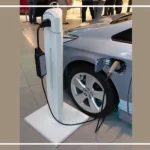
To reduce range anxiety, Maruti has installed more than 2,000 charging points across 1,100 cities and partnered with 13 major charging operators.

The company plans to activate 2,000 chargers on the launch day itself and aims to build around 100,000 charging stations by 2030.
Safety and Ownership Options
The SUV’s body uses more than 60% ultra-high and high-tensile steel for strength. The battery pack is mounted in an energy-absorbing structure to improve safety in case of impact.
Along with the BaaS pricing, the company will offer subscription plans, assured buyback programs and multiple ownership options so customers can choose what suits them best.