Concerns over fuel supply are growing in many parts of the world after rising tensions in West Asia.
The ongoing conflict involving the United States, Israel, and Iran has created uncertainty in global energy markets.
In India, this situation has triggered worries about possible delays in LPG cylinder supply.
As a result, many households are trying to book cylinders in advance to avoid shortages.
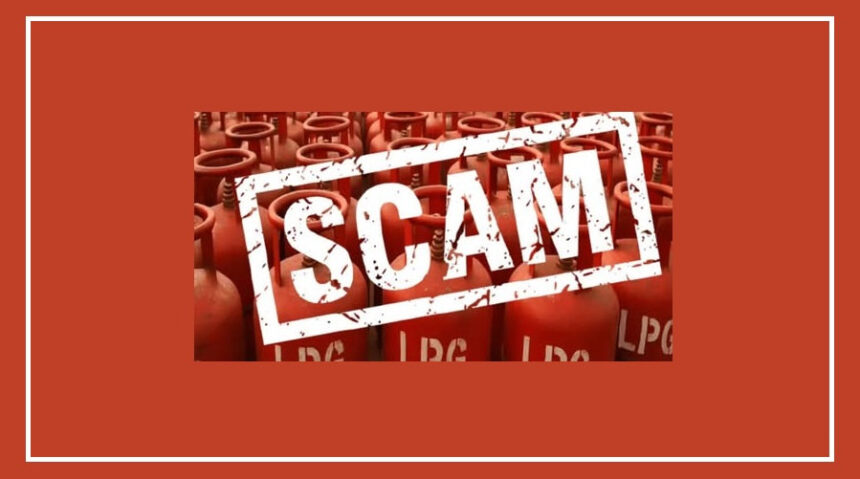
However, this rising demand has also opened the door for cybercriminals and black-market operators who are now targeting LPG consumers with new online scams.
Cybercriminals Target People Searching for LPG Refills
Security experts say scammers are now focusing on people searching online for LPG cylinder bookings and quick delivery options.
With fears of a possible shortage, many consumers are looking for faster ways to secure their cylinders.
Cybercriminals closely monitor trending searches and social media discussions.

When they see a sudden rise in searches related to LPG bookings, they quickly launch fake offers that appear helpful but are actually designed to steal money.
These scams often look convincing, which makes it easy for people to fall into the trap.
Fake LPG Delivery Ads Spreading Online
Several fake advertisements have recently appeared on social media platforms and messaging apps.
These ads claim to offer fast or guaranteed LPG cylinder delivery during shortages.
They usually include phrases like “Immediate Gas Cylinder Delivery” or “Emergency Gas Supply.” Such wording is used to create panic and push people to act quickly.
Most of these messages are circulated through WhatsApp, SMS, and social media posts, making them appear more trustworthy than they actually are.
Fake Links Asking for Advance Payment
Another common trick used by scammers is sending fake booking links.
These links lead to websites that look similar to official LPG booking portals.
Once users open these sites, they are asked to make advance payments for quick cylinder delivery.
Fraudsters rely on fear and urgency. Many people end up paying without checking whether the website is genuine.
After receiving the payment, scammers disappear, leaving victims without money or a gas cylinder.
Authorities Issue Warning to Consumers
Authorities have urged people to stay alert and avoid suspicious LPG offers circulating online.
Experts clearly state that official LPG agencies do not ask for advance payments through unknown links.
Consumers should avoid clicking on suspicious messages received through WhatsApp, SMS, or social media, even if the offer seems genuine.
Being cautious can prevent financial loss.
Always Use Official LPG Booking Platforms
Consumers are advised to book LPG cylinders only through official websites, mobile apps, or authorised gas agencies of registered LPG companies.
It is also important to never share sensitive financial information online, including OTPs, UPI PINs, bank account details, or debit and credit card numbers.
Following these steps can help users stay safe from online fraud.
What to Do If You Become a Victim
If someone falls victim to such a scam, immediate action is important.
Quick reporting can sometimes help limit financial loss and assist authorities in their investigation.
Victims can contact the National Cyber Crime Helpline by dialing 1930.
Complaints can also be filed through the National Cyber Crime Reporting Portal.
Reporting the fraud quickly can increase the chances of tracking the scammers and preventing further victims.