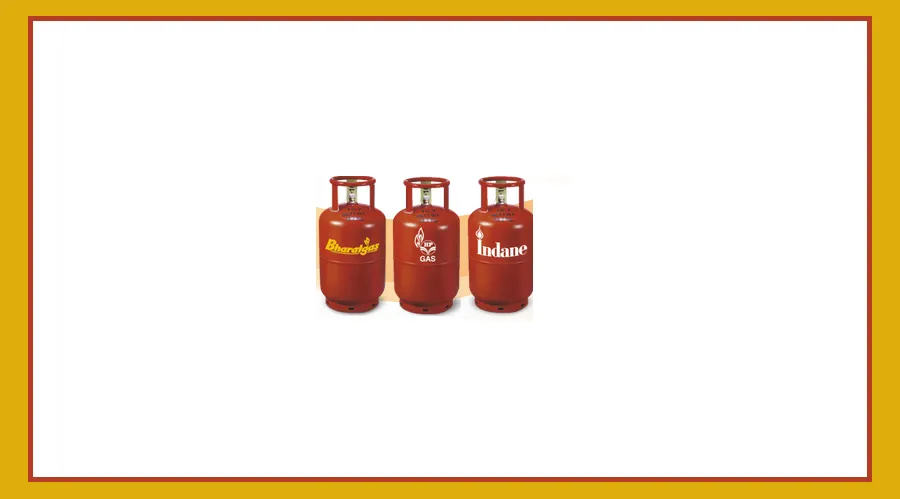
The price of domestic cooking gas in India has increased by ₹60 per cylinder.
The new rates came into effect on March 7, 2026, after oil companies revised prices due to rising global energy costs.
This increase affects the 14.2-kg domestic LPG cylinder, which is the main cooking fuel used by millions of households across the country.
The price hike comes at a time when global fuel markets are under pressure due to tensions in the Middle East.
New LPG Cylinder Prices in Major Cities
After the latest revision, LPG cylinder prices have gone up in many major cities.

Here are the approximate new prices:
Delhi – around ₹913 per cylinder
Mumbai – about ₹912.50

Kolkata – nearly ₹939
Chennai – roughly ₹928.50
The final price can vary slightly from city to city because of state taxes and local charges.
Commercial LPG Cylinders Also Become Costlier
The price increase is not limited to household cylinders.
Commercial LPG cylinders, which are widely used by restaurants and businesses, have also become more expensive.
The cost of a 19-kg commercial LPG cylinder has increased by about ₹115.

This could affect businesses such as restaurants, hotels, and street food vendors that depend heavily on LPG for cooking.
Why LPG Prices Are Rising
The main reason behind the price increase is the instability in global energy markets caused by tensions in West Asia.
Conflicts involving countries like Iran, Israel, and the United States have disrupted oil and gas transportation routes.
One of the most important routes is the Strait of Hormuz, through which nearly 20% of the world’s oil supply passes.
Any disruption in this region can quickly push up global fuel prices.
Because India imports a large portion of its LPG and crude oil, international price changes directly affect domestic fuel rates.
Impact on Households
Although a ₹60 increase may seem small, it can still put pressure on household budgets, especially for middle-class and low-income families.
However, the government has said that beneficiaries of the Pradhan Mantri Ujjwala Yojana will continue to receive subsidised LPG connections.
This ensures that poorer households still get financial support for cooking gas.
Government Monitoring the Situation
Officials have assured that India currently has sufficient LPG stocks, and there is no immediate shortage of cooking gas.
Authorities and oil companies are closely watching developments in West Asia to ensure stable supply and prevent sudden disruptions in the domestic energy market.