The Karnataka High Court has struck down the state government’s blanket ban on bike-taxis, a move that has major implications for urban transport, gig workers, and city mobility.
The court ruled that stopping bike-taxi operations without proper rules was disproportionate and violated the constitutional right to livelihood.
Background: Why the Ban Was Introduced
The Karnataka government had banned bike-taxis citing safety concerns, traffic violations, and a lack of regulations.
This affected thousands of riders working through app-based platforms, leaving them unable to operate legally.
Bike-taxi operators challenged the ban in court, arguing that the government should create clear rules to regulate the industry instead of banning it outright.

Court Ruling: Balancing Livelihood and Safety
The High Court emphasized that people have a right to earn a living, which cannot be restricted without proper laws or urgent public interest.
The court found that the government’s ban lacked a structured framework and failed to balance safety with economic rights.
Instead of supporting the ban, the court instructed the transport department to set up a regulatory framework under the Motor Vehicles Act.

This framework must cover:
Permits and licenses for bike-taxi operators
Safety standards, including helmets, speed limits, and rider training
Insurance for riders and passengers
Compliance checks and penalties for violations
Government Deadlines and Responsibilities
The state government now has two months to draft and implement the new rules.

During this time, the transport department must ensure that bike-taxis can operate legally while keeping passengers safe and maintaining traffic discipline.
The judgment makes it clear that prohibition is not the solution.
Instead, bike-taxis should be integrated into the transport system with proper regulation.
What This Means for Riders and Commuters
For bike-taxi riders, this is a major relief.
Many had invested in vehicles, training, and platform onboarding, only to be stopped by the ban.
With the court’s decision, riders can soon apply for permits and resume legal operations.
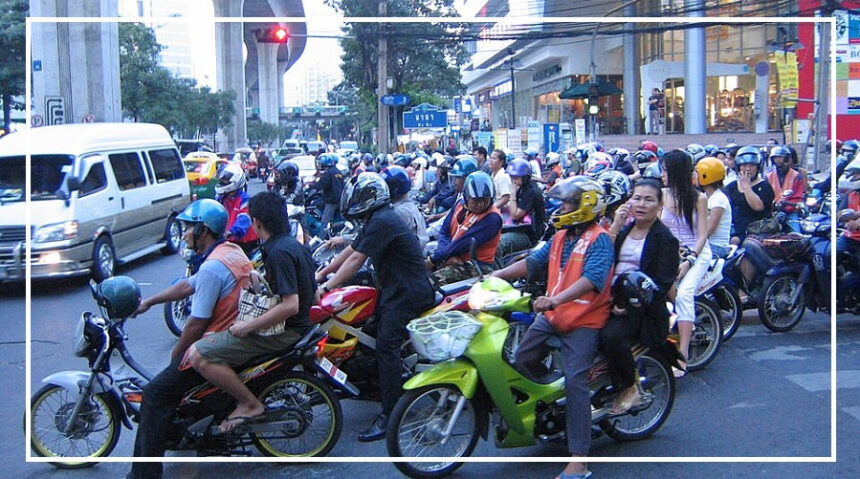
For commuters in Bengaluru and other cities, regulated bike-taxis offer flexible last-mile connectivity, especially for short trips or areas not well-served by buses and cars.
They can also reduce congestion, provide affordable transport, and support gig employment.
Broader Implications
This ruling highlights a judicial preference for regulation over outright bans for emerging transport modes.
It may encourage other states to revisit similar restrictions on app-based mobility services.
By balancing safety, public order, and livelihood rights, the Karnataka High Court has set an important precedent for urban transport policy.