
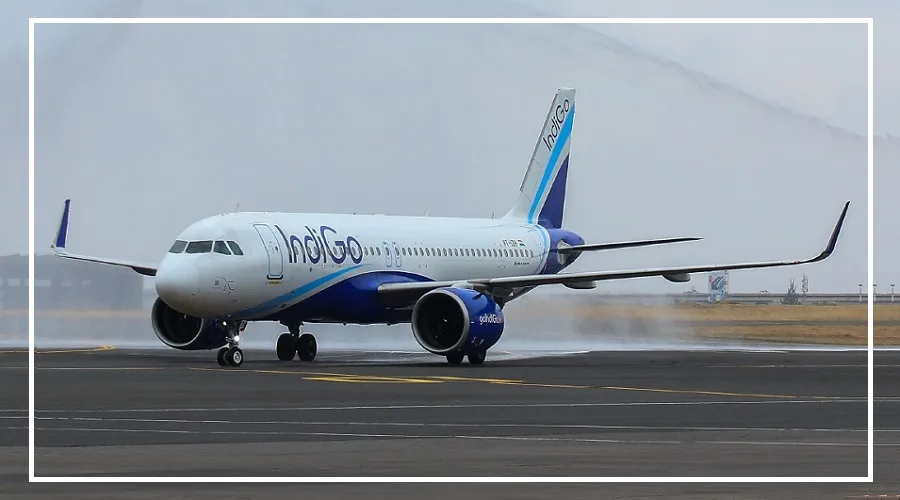
India’s biggest budget airline is in a hurry to expand its workforce.
The reason? New safety and duty rules from the Directorate General of Civil Aviation (DGCA) require airlines to have enough qualified staff to operate flights safely.
To meet these rules, the airline has started an aggressive recruitment drive, offering eye-catching perks like joining bonuses up to ₹50 lakh, stock options, and guaranteed flying hours for pilots and crew.
The goal is to attract talent quickly before regulatory deadlines hit, ensuring smooth operations and compliance with new standards.
Why the Hiring Rush is Necessary
The recruitment push comes after the DGCA introduced stricter Flight Duty Time Limitations (FDTL) and crew rest rules.

These regulations are designed to make flying safer by giving pilots and cabin crew adequate rest.
However, they also mean airlines need more staff to operate flights without violating duty limits.
The airline is targeting hundreds of pilots and first officers by early February 2026, with plans to hire even more throughout the year.
Estimates suggest about 300 captains and 600 first officers could join soon.
Attractive Incentives to Draw Talent
To compete in a tight market, the airline is offering strong incentives.
Pilots can get high joining bonuses, preferred home bases, guaranteed flying hours, and Employee Stock Ownership Plans (ESOPs).
The recruitment isn’t just for pilots.
The airline is also hiring cabin crew, ground staff, engineers, and technicians to meet DGCA staffing requirements and keep operations running smoothly.
Background: Crew Shortages and Flight Disruptions
This urgent hiring push follows a period of operational disruptions caused by staff shortages and the rollout of new DGCA work-time rules late last year.

Many flights were delayed or canceled as the airline tried to adjust crew schedules.
While temporary regulatory relief helped, the pressure to hire enough qualified staff remains.
Meeting these staffing targets will help the airline stabilize operations, reduce cancellations, and comply fully with DGCA rules.
Broader Impact on India’s Aviation Sector
India’s aviation industry is growing rapidly, with more aircraft and increasing passenger demand.
But training and retaining skilled pilots and crew hasn’t kept pace, creating a talent crunch.
Airlines now compete not just for passengers but also for qualified personnel, which drives up recruitment costs and puts pressure on training programs.
If successful, the airline’s hiring drive could set a benchmark for the sector, showing how to balance growth with safety and regulatory compliance.