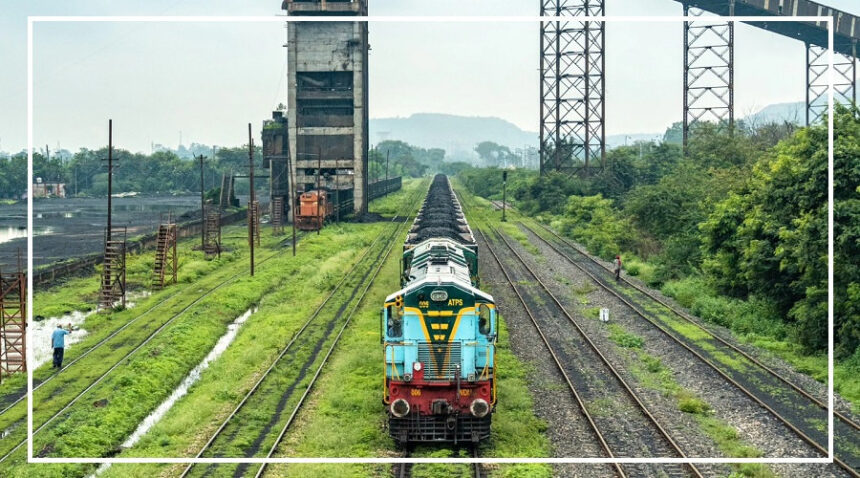
Millions of people travel by train every day in India, so this update is important for a large number of passengers. Indian Railways has decided to reduce fares on 10 major trains by removing their Superfast status.
Once this tag is removed, the extra Superfast surcharge will no longer apply, and ticket prices will automatically decrease.
From April, these trains will run under the Normal Express category and will also be assigned new train numbers. Passengers, especially long-distance travelers, will benefit from lower fares.
Fares Reduced on These 10 Trains
The Superfast tag will be removed from the following trains, which will lead to cheaper tickets:
Prayagraj Rambagh–Howrah Vibhuti Express

Howrah–Prayagraj Rambagh Vibhuti Express
Howrah–Kalka Netaji Express
Kalka–Howrah Netaji Express
Howrah–Dehradun Upasana Express
Dehradun–Howrah Upasana Express
Howrah–Dehradun Kumbh Express
Dehradun–Howrah Kumbh Express
Howrah–Jammu Tawi Himgiri Express
Jammu Tawi–Howrah Himgiri Express
When Will the New Fares Apply?
The revised fare policy will be implemented in phases between April 13 and April 16. Bookings made from April onward will reflect the lower fares.
For example:
The Vibhuti Express between Prayagraj Rambagh and Howrah has about 31 stoppages.
The Netaji Express between Howrah and Kalka (via Prayagraj Junction) has 38 stoppages.
Since these trains have many stops, removing the Superfast surcharge will significantly reduce ticket costs.
Routes That Will Benefit the Most
Passengers traveling between eastern India and northern India will gain the most from this decision. Thousands of people use these trains every month on routes such as:
Howrah–Prayagraj
Howrah–Kalka
Howrah–Dehradun
Howrah–Jammu Tawi
Trains like Vibhuti Express, Netaji Express, Upasana Express, Kumbh Express, and Himgiri Express are popular for long-distance travel on these routes.
With the Superfast status removed, fares will be lower, making journeys more affordable. Families will save more on tickets,
and the change will be especially helpful for students, pilgrims, and regular travelers who frequently use these trains.