
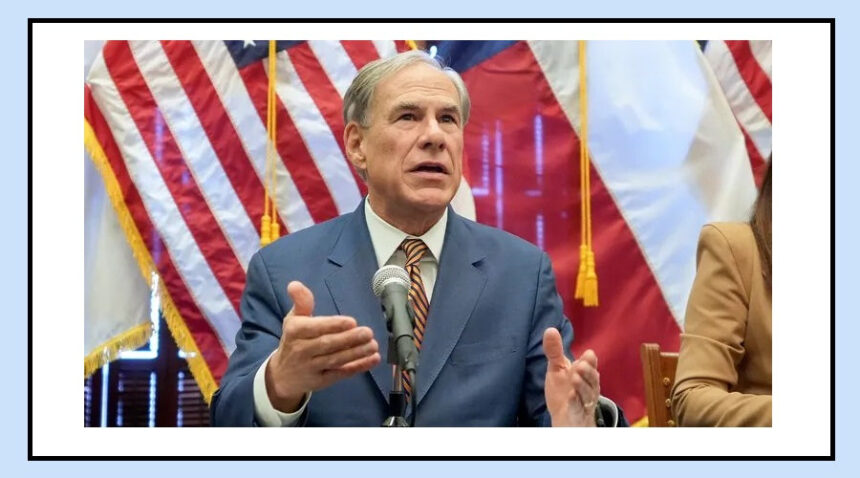
Texas has put the brakes on hiring foreign professionals in public institutions. Governor Greg Abbott has ordered state agencies and public universities to stop filing new H-1B visa petitions until May 2027.
This affects thousands of skilled workers in medicine, research, technology, and education.
Abbott says the move is about putting Texans first. “State government must lead by example and ensure jobs — especially taxpayer-funded ones — are filled by Texans,” he wrote.
Supporters argue the pause gives lawmakers time to set clearer rules and let federal reforms take effect. Some exemptions may still be allowed by the Texas Workforce Commission.
The Debate: Jobs vs. Staffing Needs
Critics warn the decision could worsen staff shortages and hurt Texas’ research, health care, and educational institutions.

Representative Ramon Romero Jr. said freezing H-1B pathways makes it harder to staff classrooms, hospitals, and research centers, driving up costs and straining public services.
He emphasized that H-1B workers are “Texans in every way that matters,” contributing significantly to the economy.
Public universities such as UT Southwestern Medical Center, Texas A&M, UT MD Anderson, UT Austin, and Texas Tech sponsor hundreds of H-1B professionals, mainly in medicine, research, and technology.

Nationwide, over 60% of H-1B visas since 2012 have been for computer-related jobs.
A Broader Trend
Texas isn’t alone. Florida has raised similar concerns, and the Trump administration has added high fees to the H-1B program, now facing legal challenges.
Abbott has also ordered a detailed review of visa use in the state, including job types, candidate origins, and efforts to hire qualified Texans first.
For now, the door is partially closed. Supporters see it as a chance to reform the system, while critics warn it could slow innovation and strain vital services.
Summary: Texas has paused new H-1B visa petitions in public institutions until 2027 to prioritize jobs for Texans and review visa use.
While supporters say it allows time for reform, critics warn it could worsen staffing shortages in health care, research, and education, affecting services and innovation.