The government has introduced a major rule that could change how you use cooking gas at home.
If piped natural gas (PNG) is available in your area, you will now have to switch to it.
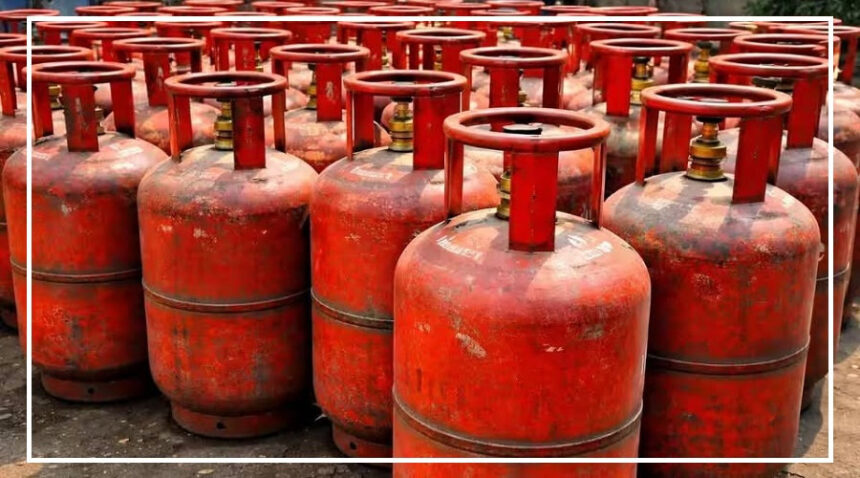
Otherwise, your LPG cylinder supply may be stopped.
This move is aimed at improving energy security and reducing dependence on LPG imports.
Mandatory Shift to PNG
Under the new policy, switching to PNG is no longer optional in areas where pipelines are available.

Households currently using LPG will be required to move to piped gas connections.
This rule has been introduced under the Natural Gas Distribution Order, 2026.
3-Month Deadline for Consumers
The government has set a clear timeline for this change.

You will get 90 days (3 months) after receiving notice
If you don’t switch within this period, LPG supply will be stopped
This applies even if you prefer to continue using LPG.
How You Will Be Informed
Consumers will not be caught off guard.
You will receive official communication through:
SMS alerts

Phone calls
Recorded messages
Along with this, you will get instructions on how to apply for a PNG connection.
Who Will Not Be Affected
This rule does not apply everywhere.
You can continue using LPG if:
PNG connection is not technically possible
The distributor provides a No Objection Certificate (NOC)
This means rural and remote areas without pipeline infrastructure will remain unaffected.
Why the Government Is Making This Change
There are several reasons behind this decision:
India imports nearly 60% of its LPG
Global tensions, especially in West Asia, have disrupted supply
PNG offers a more stable and continuous gas supply
It is also considered cleaner, safer, and more efficient than LPG.
What It Means for Households
For many households, this change will bring both benefits and adjustments.
Benefits:
No need to book cylinders
Continuous gas supply
More convenience in daily use
Challenges:
Initial installation setup
One-time connection charges
A Bigger Shift in Energy Use
This rule is part of a larger plan to move India from cylinder-based LPG to pipeline-based gas systems.
The goal is to modernize fuel supply and reduce dependence on imports in the long run.