
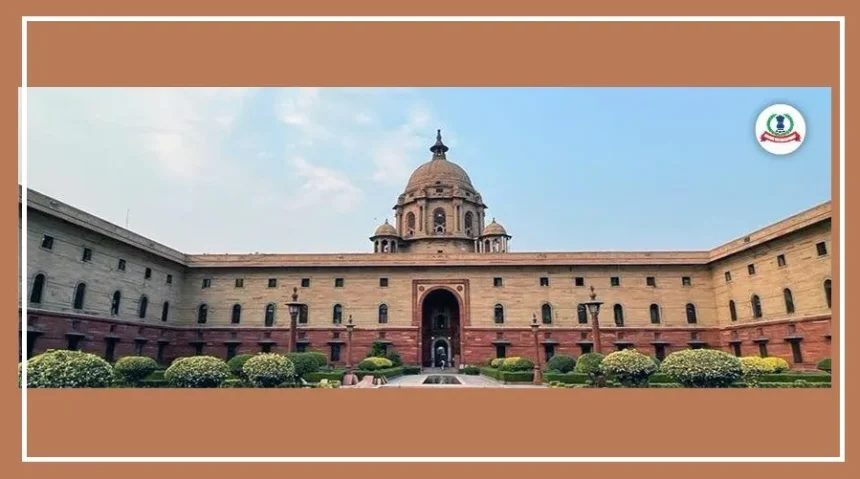
The Supreme Court has clarified that tax exemptions granted by the government do not give perpetual rights to the recipients.
The government can withdraw these exemptions in the public interest whenever necessary.
This decision came while hearing an appeal by the Maharashtra government against captive power generators.
The court upheld the government’s move to withdraw tax benefits for industries generating electricity for their own use.

Background of the Dispute
The issue relates to electricity duty exemptions given by Maharashtra since 1994 under Section 5A of the Bombay Electricity Duty Act, 1958.
These exemptions were meant to encourage industries to build captive power units.
In 2000-2001, the government partially withdrew the exemptions, citing financial constraints and the need to increase revenue.

The High Court had earlier struck down this withdrawal as arbitrary and discriminatory, leading the state to approach the Supreme Court.
Key Points from the Supreme Court Judgment
Justice Alok Aradhe, writing the judgment, stated that these exemptions are legal concessions, not promises.
This means the government has the authority to modify or revoke them if needed in the public interest.
The court explained:
Industries relying on these exemptions cannot claim indefinite continuation.
Exemptions are revocable and withdrawal does not violate the law if done reasonably.

The government’s decision must follow fairness and reasonableness, ensuring industries have time to adapt to changes.
The court rejected claims based on promissory estoppel (right based on promise), noting that beneficiaries are aware that exemptions can be withdrawn.
Fairness and Public Interest
The Supreme Court emphasized that withdrawing exemptions must not cause undue hardship.
It agreed that the Maharashtra government acted in public interest, aiming to increase revenue and manage fiscal constraints.
The court concluded:
The withdrawal was neither arbitrary nor unreasonable.
Notifications withdrawing the exemption would take effect one year after their issue dates, giving industries time to adjust.
This ruling reinforces that government concessions are temporary, and while recipients can benefit during their validity, they cannot demand permanent continuation.