There is good news for industries and consumers across India.
The Central Government has withdrawn the emergency restrictions that were imposed on natural gas supplies earlier this year.
The decision comes after LNG (Liquefied Natural Gas) shipments through the Strait of Hormuz returned to normal following a ceasefire in West Asia.
With the supply situation improving, the government has restored the regular system of gas allocation.
Why Were the Restrictions Imposed?
In March 2026, the government imposed emergency restrictions after LNG shipments through the Strait of Hormuz were disrupted.
The situation raised concerns about India’s energy security, as several suppliers reportedly declared force majeure, affecting gas supplies.
To manage the shortage, the government used emergency powers under the Essential Commodities Act and gave priority to essential services.
During this period, uninterrupted gas supply was ensured for:
Household Piped Natural Gas (PNG)
Compressed Natural Gas (CNG) used in vehicles
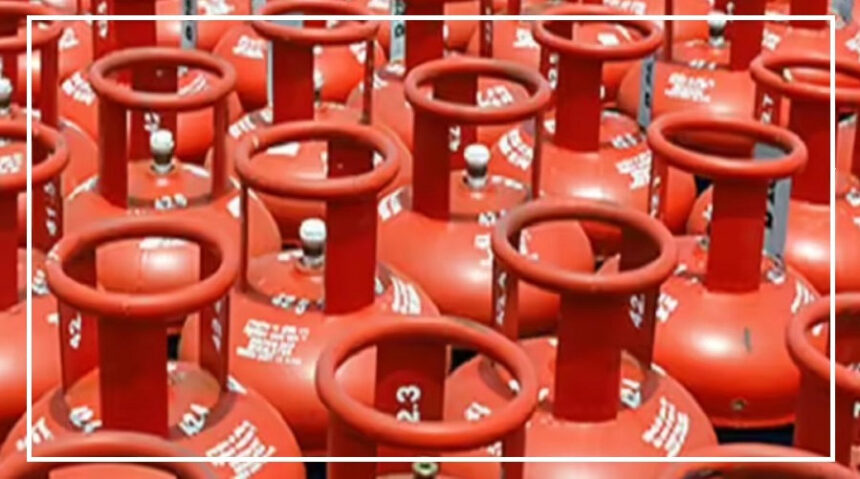
LPG production
Gas pipeline operations
At the same time, gas supplies to some power plants, petrochemical companies, and industrial units were reduced.
LNG Supply Situation Has Improved
According to the Petroleum Ministry, the situation has now stabilized after shipping resumed through the Strait of Hormuz.
As a result, the government has amended the Natural Gas (Supply Regulation) Order, 2026, removing most of the emergency provisions that allowed it to directly control gas allocation.
This means industries, fertilizer plants, refineries, city gas distributors, and other consumers are expected to receive gas supplies under the normal allocation system once again.
Why Is the Strait of Hormuz So Important?
The Strait of Hormuz is one of the world’s busiest energy shipping routes and plays a crucial role in India’s fuel supply.
India imports nearly 88% of its crude oil and around 50% of its natural gas from other countries.
Out of this, around 40-45% of crude oil imports and nearly 65% of LNG imports pass through the Strait of Hormuz.
Any disruption in this route can affect fuel supplies, increase energy prices, and create problems for industries across the country.
What Does This Mean for India?
The removal of emergency restrictions is a positive sign for India’s energy sector.
With LNG imports returning to normal, industries can expect smoother gas supplies, while consumers are less likely to face disruptions caused by fuel shortages.
Although the government will continue to monitor the situation in West Asia, the latest decision indicates that immediate concerns over LNG availability have eased and the country’s energy supply has become more stable.