
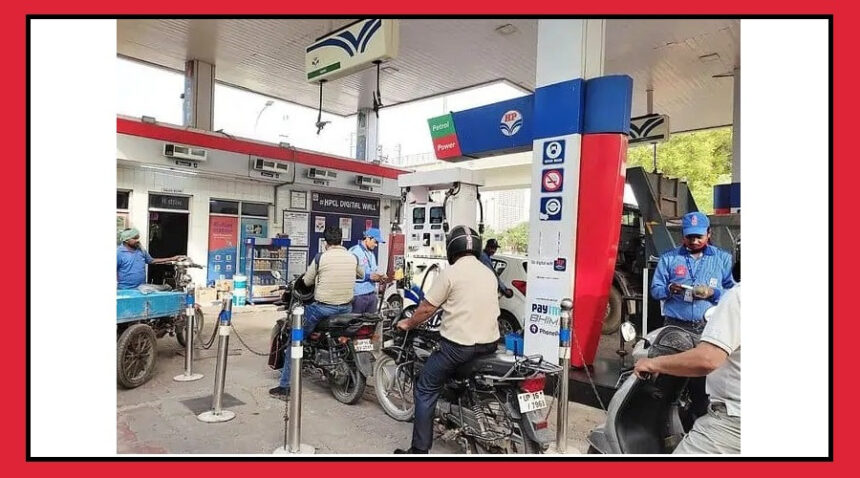
The Indian government has increased export duties on diesel and aviation turbine fuel (ATF).
This move comes at a time when global fuel prices are volatile.
The goal is simple — to control excess profits by exporters and ensure enough fuel is available within the country.
While this decision mainly targets oil companies, it will also have direct and indirect effects on consumers.
What Has Changed? Key Updates Explained
Here are the major changes in simple terms:

Diesel export duty increased from ₹21.5/litre to ₹55.5/litre
ATF (jet fuel) duty raised from ₹29.5/litre to ₹42/litre
Petrol export duty remains unchanged at zero

Additional changes:
Special Additional Excise Duty (SAED) on diesel increased to ₹24/litre
Road & Infrastructure Cess now ₹36/litre
These new rates are already in effect.
Why Did the Government Take This Step?
When global fuel prices are high, oil companies prefer to export fuel to earn more profits.
But this can reduce supply within India and push domestic prices higher.

By increasing export duties, the government wants to:
Discourage excessive exports
Ensure enough fuel stays in India
Keep domestic prices stable
This step is especially important during global uncertainties like the ongoing Iran–US tensions, which can impact oil supply and prices.
What It Means for You
For common people, this move brings some relief.
Since more diesel will stay in the domestic market, prices are likely to remain stable in the short term.
This is important because diesel is widely used in:
Transport
Farming
Delivery of goods
Stable diesel prices help control the cost of food and daily essentials, which can reduce overall inflation.
Air Travel May Become Slightly Costlier
There could be a small downside for air travelers.
ATF is a major cost for airlines.
With higher duties, airlines may face increased expenses.
As a result, airfares could rise slightly.
However, the final impact will depend on global oil prices and airline competition.
Petrol Prices Likely to Stay Unaffected
The government has not changed export duty on petrol.
This indicates that there is no immediate concern about petrol supply, and prices are unlikely to be affected by this decision.
Final Take
The government’s move aims to balance profits for oil companies while protecting consumers.
Higher export duties on diesel and ATF may help keep fuel supply stable in India, control inflation, and avoid sudden price spikes — though air travel may see a small increase in costs.