February could be a challenging month for the public, as multiple nationwide strikes are scheduled that may affect everyday services.
From cab bookings to banking operations, several sectors are expected to be impacted on February 7 and February 12, 2026.
If you rely on app-based transport or banking services, it’s important to stay prepared.
Ola, Uber, and Rapido Drivers to Go on Strike on February 7
On Friday, February 7, drivers associated with ride-hailing platforms like Ola, Uber, and Rapido will observe a nationwide strike.
Due to this, booking cabs or bike taxis through these apps may be difficult or completely unavailable in many cities.

The drivers have described this protest as an “All India Breakdown.”
Their main grievance is against fare policies introduced after the Motor Vehicle Aggregator Guidelines 2025.
According to driver unions, companies are fixing fares without transparency, which has led to reduced earnings for drivers.
Drivers from across the country are expected to participate, making the impact widespread.
Nationwide Bank Strike Planned for February 12
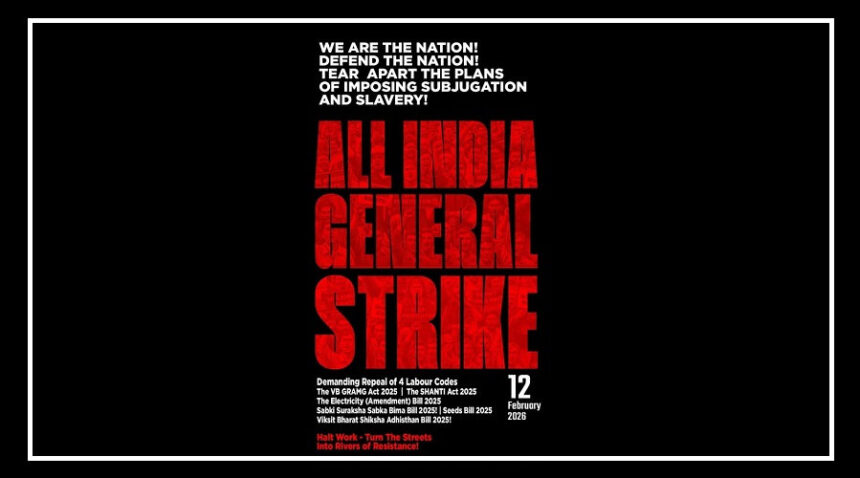
A much larger strike is scheduled for February 12, which may affect banking, insurance, government offices, and other essential services.
This strike has been called by labor unions, trade unions, and farmer organizations to protest against the central government’s newly implemented labor laws.
As a result, banking services such as branch operations, cheque clearing, and customer support may face disruptions.
Major bank unions participating in the strike include:
All India Bank Employees Association (AIBEA)

All India Bank Officers Association (AIBOA)
Bank Employees Federation of India (BEFI)
In addition, 10 central trade unions are also joining the protest.
Why Are Bank Employees Protesting?
Bank employees had already gone on strike on January 27, 2026, demanding the implementation of a five-day working week.
The February 12 strike goes a step further.
This time, the protest is mainly against the four new labor codes, which were officially notified on November 29, 2025.
These codes replaced 29 existing labor laws, a move that unions claim weakens employee protections.
Bank unions argue that institutions like the RBI, LIC, stock markets, and commodity exchanges already follow a five-day work schedule.
They question why banks are excluded from the same system despite similar work pressures.
What Should the Public Expect?
With back-to-back strikes planned, people may face inconvenience in travel, banking transactions, and other public services.
Planning in advance, completing essential work early, and staying updated with local announcements could help reduce last-minute issues.
February is shaping up to be a crucial month for labor movements—and a disruptive one for daily routines.