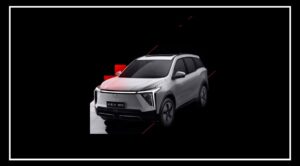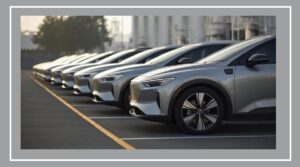

The Delhi government is preparing to launch a new Electric Vehicle Policy 2.0 to reduce rising pollution levels in the capital. This new policy will include several attractive proposals aimed at encouraging people to shift to electric vehicles.
According to a report by The Times of India (TOI), the government plans to offer multiple benefits to the public. One of the key proposals is the return of an incentive of ₹10,000 per kilowatt (kWh) for people buying electric cars.
Subsidy and Loan Benefits for Private Electric Cars
Under the new policy, subsidies for private electric cars are likely to be reintroduced with stricter conditions. An official stated that only private electric cars priced below ₹25 lakh will be eligible for incentives.
The proposal includes an incentive of ₹10,000 per kWh for the first 27,000 private electric cars, with a maximum benefit of ₹1 lakh per vehicle.
In addition to this, the policy suggests an interest subsidy scheme to make EV loans more affordable. Under this scheme, the Delhi government will pay 5% of the loan interest for eligible buyers, making it easier for customers to finance electric cars.

Affordable EVs to Become Cheaper
With incentives of up to ₹1 lakh, buying affordable electric cars could become even more cost-effective. For instance, the Tata Tiago EV, which has a starting ex-showroom price of ₹7.99 lakh, could see its price reduced to ₹6.99 lakh after applying the incentive.
Similarly, the MG Comet EV, currently priced higher, could be available for around ₹7.50 lakh after receiving a ₹1 lakh subsidy.
Incentive for Converting Petrol and Diesel Cars into EVs
The new EV policy also brings good news for owners of petrol and diesel cars.
The Delhi government is planning to offer an incentive of ₹50,000 for retrofitting existing ICE (Internal Combustion Engine) vehicles into electric vehicles. This benefit will be available for the first 1,000 cars only.
Retrofitting involves converting a petrol or diesel car into an electric vehicle by replacing its engine with an electric powertrain.
This approach allows vehicle owners to adopt cleaner and more eco-friendly technology while continuing to use their existing cars.