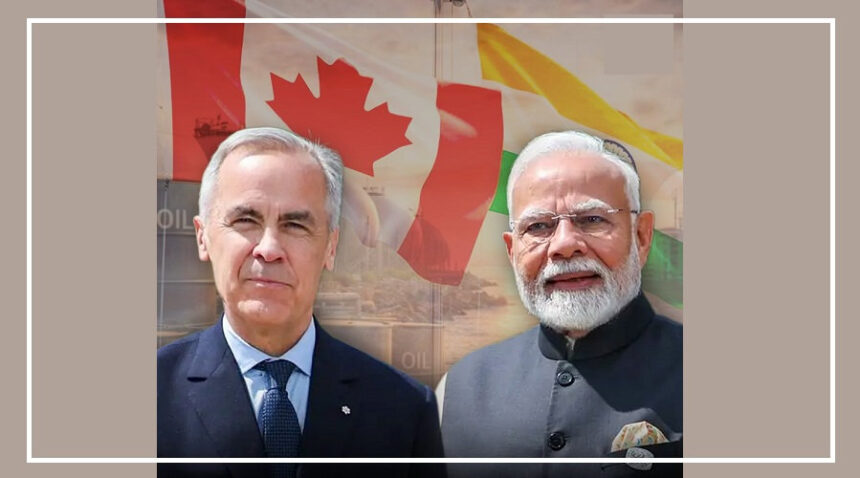
As energy supply disruptions continue due to rising tensions in West Asia, Canada has reportedly offered to supply liquefied petroleum gas (LPG) to India.
The offer comes at a time when India is facing concerns over LPG availability because of disruptions in global shipping routes linked to the conflict in the region.
The additional supply could help India maintain stable cooking gas availability for businesses and industries.
Global Conflict Disrupting Energy Routes
The current shortage is largely connected to the growing tensions between Israel and Iran.
The conflict has created uncertainty around several key maritime routes used to transport oil and gas.

One of the most important routes affected is the Strait of Hormuz.
This narrow waterway is a major corridor for global energy shipments, and any disruption there can quickly impact fuel supplies worldwide.
Since India imports a large portion of its LPG, such geopolitical tensions can easily create supply pressure within the country.

Impact on Restaurants and Small Businesses
The LPG shortage has already started affecting several sectors across India.
Restaurants, hotels and small food businesses in many cities have reported difficulty in getting commercial LPG cylinders.
In some cases, eateries have reduced their menu options or temporarily stopped certain services because they do not have enough cooking gas.
However, officials in several regions have said that domestic LPG supply for households remains stable.
Some restrictions on commercial cylinder distribution are being used to ensure that household cooking gas availability is not affected.
India Looking to Diversify Energy Sources
Canada’s offer highlights India’s growing efforts to diversify its energy imports.

By sourcing fuel from countries outside conflict zones, India can reduce its dependence on Middle Eastern supplies and make its energy system more resilient during global crises.
Experts say diversifying energy suppliers will become increasingly important as geopolitical tensions continue to influence global oil and gas markets.
Strengthening partnerships with countries like Canada could help India maintain stable fuel supplies even during international disruptions.