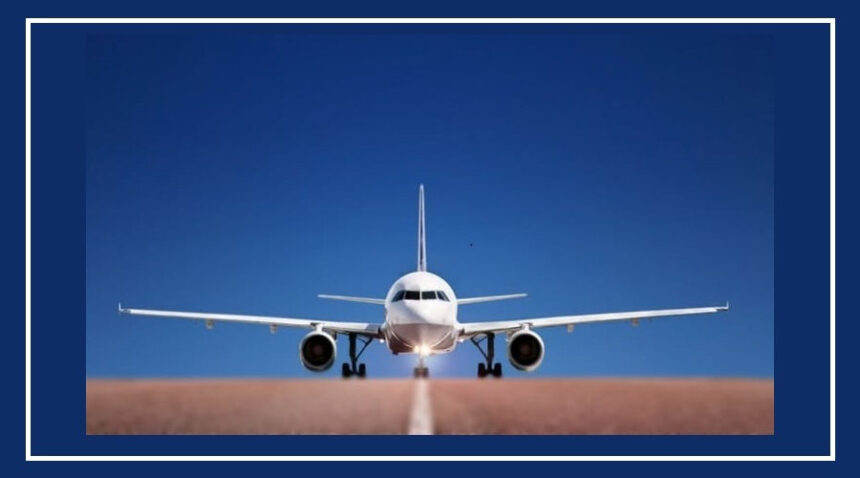
In a major move to make flying more affordable, the Directorate General of Civil Aviation (DGCA) has introduced new rules on seat selection charges.
From April 20, 2026, airlines will have to change how they assign and charge for seats—bringing big relief to passengers.
60% Seats Must Be Free
The biggest change is simple: most seats will now be free to choose.
Airlines must:
Offer at least 60% of seats without any extra charge

Allow passengers to select these seats while booking
Earlier, only about 20% of seats were free, and many passengers had to pay extra just to pick a seat.
No More Paying Just to Sit Together
Another important update is for families and groups.

Airlines are now required to:
Seat passengers from the same booking (PNR) together
Try to provide seats next to each other
This means families won’t have to pay extra just to sit side by side—a common complaint until now.
Lower Seat Charges, More Transparency
Seat selection fees had become a big issue, with airlines charging anywhere between ₹200 and ₹1,500.
With the new rules:

Most seats will be available for free
Airlines must clearly show all extra charges (like baggage or premium seats)
This will make ticket pricing more transparent and easier to understand.
Airlines Raise Concerns
While passengers benefit, airlines are not fully happy with the change.
Seat selection fees were an important source of income. Airlines say:
They may lose revenue from these charges
Ticket prices could increase slightly to make up for it
So while you may save on seat selection, the base fare might go up a bit.
What This Means for You
For travelers, the impact is mostly positive:
You may not need to pay extra for seats anymore
Families can sit together without additional cost
Pricing will be clearer with fewer hidden charges
A Step Towards Fairer Air Travel
This move by the Directorate General of Civil Aviation shows a shift towards passenger-friendly policies.
The focus is now on:
Reducing hidden fees
Making travel more transparent
Putting passengers first
Overall, flying in India could soon become simpler, fairer, and less confusing for everyone.