


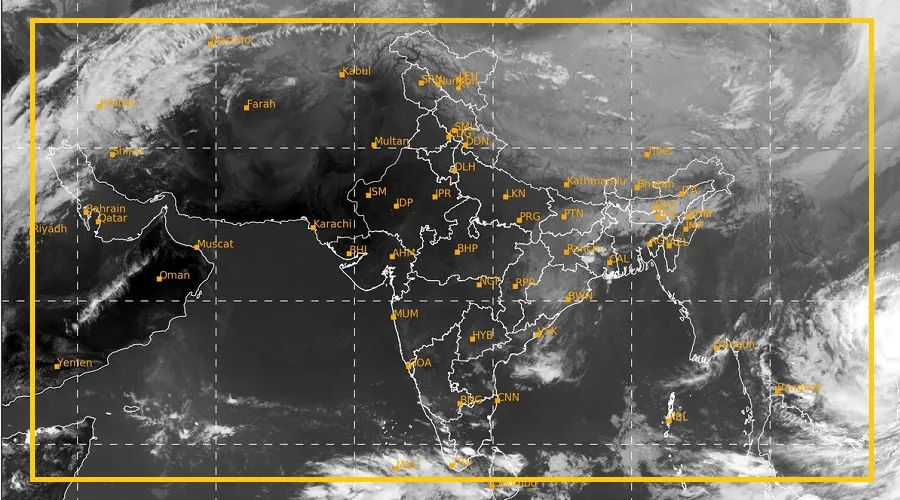
Cyclone Arnab alert has prompted widespread precautions across eastern and southern India, with authorities preparing for the storm’s expected landfall along the Andhra Pradesh coast on October 28, 2026.
Heavy rain, strong winds, school closures and railway disruptions are among the major concerns as the cyclone intensifies over the Bay of Bengal.
The India Meteorological Department (IMD) has forecast that the storm could cross the Andhra Pradesh and Yanam coasts between Bapatla and Visakhapatnam.
Maximum sustained wind speeds are expected to reach 115–125 kmph, with gusts of up to 140 kmph.
The developing weather system has triggered precautionary measures in Andhra Pradesh and Odisha, while other states have also been warned about possible rainfall and adverse weather conditions.
Cyclone Arnab Alert and Expected Landfall
According to the IMD’s latest updates reported on October 27, Cyclone Arnab has intensified into a very severe cyclonic storm over the west-central Bay of Bengal.
The system is expected to move towards the northwest and cross the coast by the forenoon of October 28.
The projected landfall zone lies between Bapatla and Visakhapatnam, close to Yanam.
Coastal districts in the affected region face the risk of heavy rainfall, damaging winds and disruptions to normal activities.
The exact impact will depend on the cyclone’s movement and intensity.
Residents in vulnerable coastal areas should follow official weather bulletins and instructions issued by local administrations.
Cyclone Arnab Triggers Train Cancellations and School Closures
Railway operations have been disrupted as a precaution ahead of the cyclone.
South Coast Railway has listed 53 train services for cancellation on October 27 and 28, with additional services facing changes to their routes or operating points.
The affected services include trains connecting Visakhapatnam, Vijayawada, Kakinada Port, Rajahmundry, Machilipatnam and other destinations across Andhra Pradesh and Odisha.
Passengers should verify their train numbers and travel dates through official railway channels before leaving for stations.
Educational institutions have also been ordered to close in vulnerable areas.
Odisha has announced closures in five districts for October 28 and 29, while Andhra Pradesh has taken precautionary measures in districts facing the cyclone threat.
The cancellations and closures are intended to reduce risks to passengers, students and residents as weather conditions deteriorate.
Heavy Rainfall Alerts Across Several States
The cyclone’s impact is expected to extend beyond the immediate landfall area.
The Centre has highlighted potential effects in Andhra Pradesh, Odisha, Telangana, Chhattisgarh and Puducherry, with heavy rainfall also expected in parts of eastern Uttar Pradesh and Bihar.
Odisha’s southern districts are among the areas facing the risk of intense rainfall.
Chhattisgarh and Telangana could also experience significant rain as the weather system moves inland after crossing the coast.
Fishermen have been advised not to venture into the sea along the affected coastal stretches.
Authorities have also activated emergency arrangements, including shelters, district control rooms and disaster-response teams, to support preparedness and rescue operations.
Residents should avoid exposed coastal locations during severe weather and follow evacuation instructions issued by local authorities.
People travelling through affected districts should allow for possible delays and monitor official advisories.
What Residents and Travellers Should Do
With the expected landfall approaching, residents in vulnerable areas should keep track of official IMD forecasts and announcements from their state administrations.
Those living in low-lying coastal locations should be prepared to move to designated shelters if instructed.
Rail passengers should check their booking status before travelling, as cancellation schedules and route changes can differ by train and date.
Anyone travelling by air should also reconfirm flight timings directly with the airline before leaving for the airport.

Cyclone Arnab’s actual effects will depend on its track, wind strength and rainfall distribution.
Following verified updates and taking precautions early will be important for reducing the risks associated with the approaching storm.