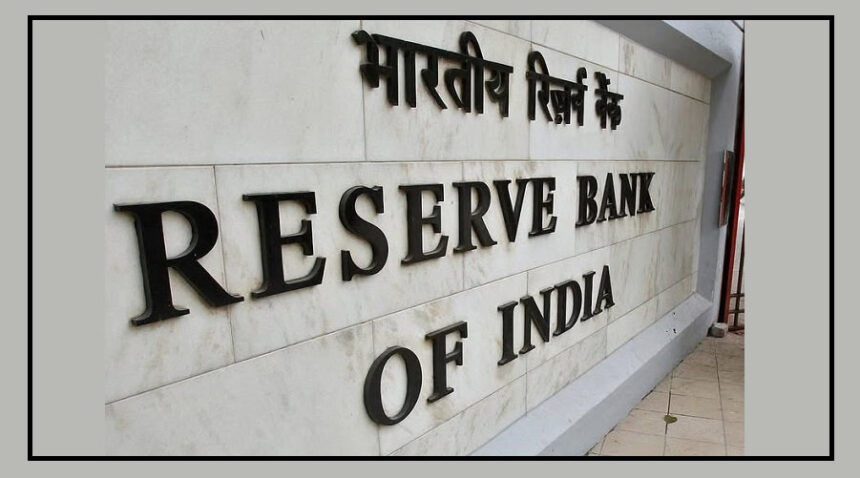
The Reserve Bank of India (RBI) is planning to change how large non-banking financial companies (NBFCs) are classified.
Instead of using a complex scoring system, the RBI now wants a much simpler method—based purely on the size of a company’s assets.
This change may sound technical, but it could have a big impact on major companies, especially Tata Sons, which has been under pressure to get listed on the stock market.
What Exactly Is Changing?
Under the new proposal:
NBFCs with assets of Rs 1 lakh crore or more will be classified as “upper-layer”
Government-owned NBFCs will now be included (they were excluded earlier)
These companies may also get more flexibility in using state guarantees
The goal is simple: make the system clearer, fairer, and easier to follow.
Why Being “Upper Layer” Matters
Getting tagged as an upper-layer NBFC comes with stricter rules.
These companies must follow tighter governance standards and face closer regulatory supervision.
Most importantly, the top 15 such companies are required to be listed on stock exchanges.
This is why the classification is such a big deal.
Where Tata Sons Fits In
Tata Sons is already a part of the upper layer.
It has assets of around Rs 1.75 lakh crore and had earlier missed a deadline to go public in October 2025.
Since then, there has been ongoing speculation about its potential IPO.
How the New Rules Could Change Things
The proposed changes could shake up the list in two major ways:
Entry of Government NBFCs
With public sector NBFCs now included, the competition for the top 15 spots will increase.
This could push some private companies out of the list.
Simpler Asset-Based Criteria
The new system removes subjectivity. However, based on its size, Tata Sons will still qualify as an upper-layer NBFC.
The real question is whether it stays in the top 15 after the reshuffle.
Will Tata Sons Finally Get Listed?
Not necessarily.
If Tata Sons remains in the top 15, it will still have to list. But if new entrants change the rankings, it might get some relief.
So, the proposal does not automatically mean a listing will happen—or be avoided.
What Happens Next?
The RBI draft is currently open for feedback.
Once finalised, the list of upper-layer NBFCs will be updated under the new rules.
Market watchers are closely tracking whether Tata Sons keeps its position.
Meanwhile, Shapoorji Pallonji Mistry, a key stakeholder, has strongly supported listing the company.
He believes a public listing would improve transparency, strengthen governance, and align with the core values of the Tata Group.