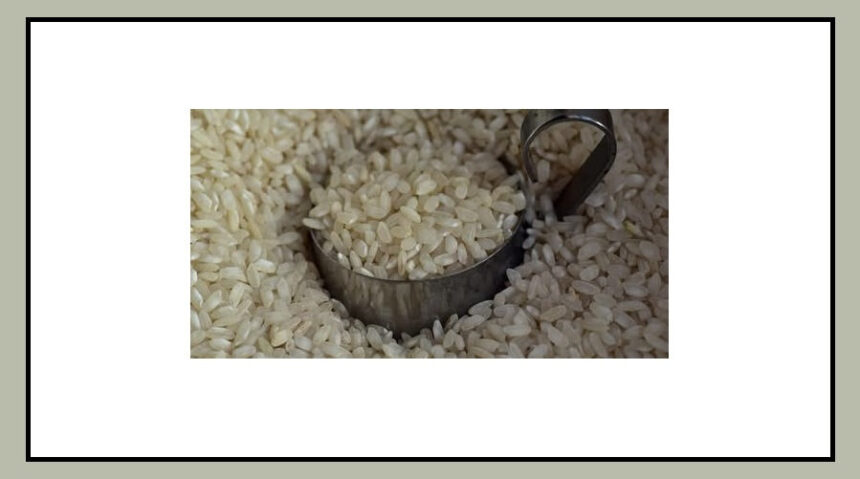
The government has announced a temporary pause in rice fortification under welfare schemes, including the Pradhan Mantri Garib Kalyan Anna Yojana (PMGKAY).
This step will remain in effect until a more effective way to deliver nutrients to beneficiaries is developed and implemented.
Why Rice Fortification Is Being Paused
A study conducted by IIT Kharagpur looked into the shelf life and stability of Fortified Rice Kernels (FRK) and Fortified Rice (FR) under real storage conditions across India’s diverse climates.
The study found that factors like moisture, temperature, humidity, storage conditions, and packaging significantly affect the stability of fortified rice.
Over time, these factors lead to loss of nutrients and a shorter shelf life, which reduces the intended nutritional benefits.
Since rice in government schemes can remain in storage for 2–3 years, the current fortification process was found to be less effective than expected.
What This Means for Welfare Schemes
The Ministry of Consumer Affairs, Food & Public Distribution clarified that this temporary discontinuation:
Does not reduce foodgrain entitlements
Will not affect operations under the Public Distribution System (PDS), Integrated Child Development Services (ICDS), or the Mid-Day Meal Scheme
For the upcoming Kharif Crop 2025–26 and pending rice from the 2024–25 crop, States and UTs have the flexibility to supply either fortified or non-fortified rice, depending on operational and logistical considerations.
Looking Ahead
The government is now focused on developing a more robust nutrient delivery mechanism to ensure that fortified rice can reliably provide the intended health benefits to beneficiaries in the future.
Until then, rice will continue to reach people through welfare schemes without compromising entitlements, even if fortification is temporarily paused.