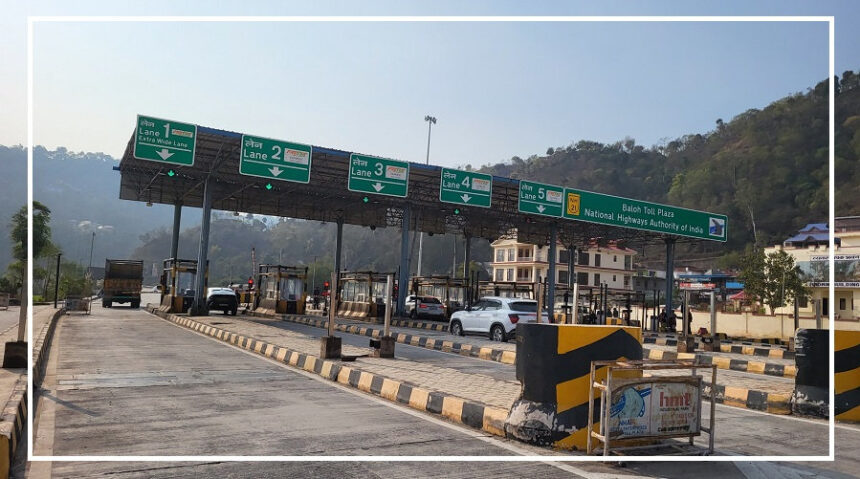
Paying cash at highway toll booths may soon become a thing of the past.
The National Highways Authority of India (NHAI) is planning to stop accepting cash at toll plazas from April 1.
If the proposal gets final approval, all toll payments on National Highways will have to be made digitally through FASTag or UPI.
The goal is simple: faster travel, fewer traffic jams, and more transparency in toll collection.
Why NHAI Wants to End Cash Payments
According to NHAI, moving to a fully digital system will build on the success of electronic toll collection already in place.
Long queues at toll plazas are often caused by cash payments.
Counting money, giving change, and resolving disputes slow down vehicle movement, especially during peak hours.
By allowing only digital payments, NHAI expects vehicles to pass through toll plazas more quickly.
This could reduce waiting time and make highway travel smoother for millions of commuters.
FASTag Usage Already at 98%
The shift may not be as difficult as it sounds.
FASTag usage has already crossed 98 percent across India.
Most vehicles today have RFID-enabled FASTags fixed on their windshields, allowing automatic toll deduction without stopping.
UPI payment options are also available at toll plazas, giving drivers another quick and convenient digital payment method.
Under current rules, vehicles without a working FASTag that choose to pay in cash are charged double the normal toll fee.
Those paying via UPI are charged 1.25 times the applicable toll.
Over 1,150 Toll Plazas to Go Digital
If implemented, the change will apply to more than 1,150 toll plazas across National Highways and Expressways.
Officials believe this step will improve traffic flow, reduce congestion, and make toll operations more efficient nationwide.
The move is part of NHAI’s broader plan to build a modern, technology-driven highway network that offers faster and smoother travel across India.