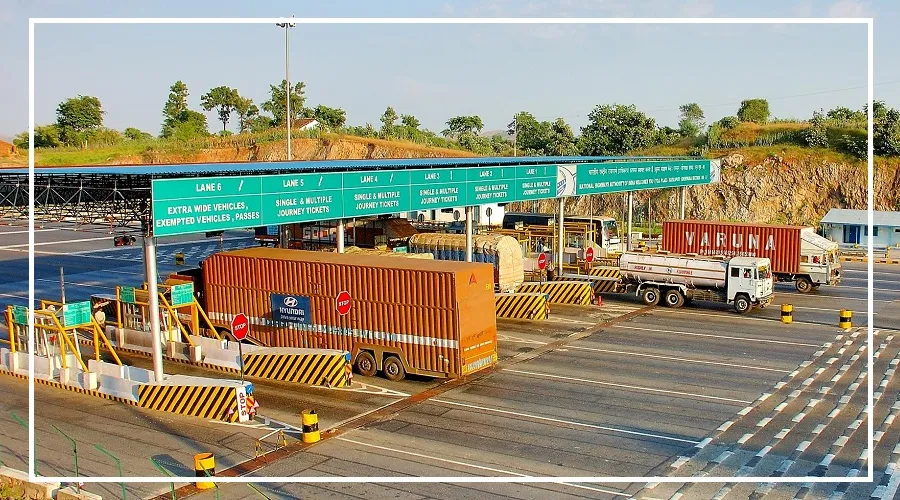
Big news for everyone traveling on national highways: the government plans to completely stop cash payments at toll plazas from April 1, 2026.
The move is part of a plan to digitize toll collection, which means that in the future, payments will be made using digital methods like FASTag and UPI.
Currently, if your vehicle doesn’t have a valid FASTag or it isn’t working, you are charged double the toll. If you pay using UPI, you may need to pay 1.25 times the toll, depending on your vehicle type.
An official explained that UPI payments were introduced in November to reduce cash payments, which made up about 2% of total toll collections.
Cash payments have already dropped by around 1%. Now, all toll plazas are equipped to accept UPI payments.
Benefits of Digital Toll Collection
The government aims to make toll payments faster and easier. Cash payments take time because of handling change, receipts, and transactions, often causing long queues and traffic jams.
Digital payments will allow vehicles to pass without stopping, improving convenience for drivers.
According to the National Highways Authority of India (NHAI), the plan will improve efficiency, reliability,
and transparency at toll plazas. It will also prevent toll evasion and reduce disputes between drivers and toll workers.
The government is also looking at making overloading penalty payments cashless, which will make them more accurate and easier to handle.
A study shows that digital payments could save India around ₹87,000 crore every year in fuel and time.
In the future, the government plans to introduce barrier-free tolling, where tolls will be deducted without stopping vehicles, and cashless payments are essential for this system to work smoothly.