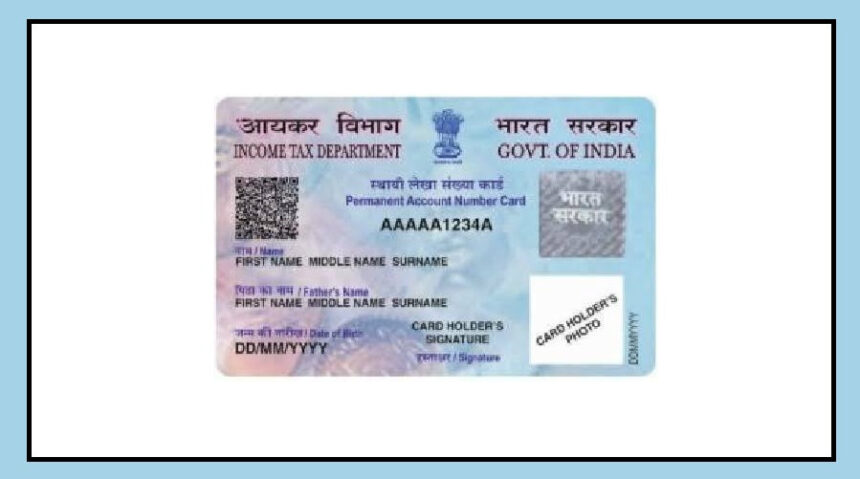
If you think not linking your PAN with Aadhaar is a small mistake, the new draft tax rules say otherwise.
The government’s Draft Income-tax Rules, 2026 clearly explain what happens if your PAN becomes inoperative.
And the impact is not just technical — it can directly affect your money.
These draft rules, framed under the Income-tax Act, 2025, make the consequences more structured and clear than before.
What Happens If Your PAN Becomes Inoperative?
Under the draft rules, if you are required to link your Aadhaar with PAN but fail to do so, your PAN will become inoperative.
Once that happens, three major financial consequences follow:
You will not receive any tax refund during the period your PAN is inoperative.
You will not get interest on the delayed refund for that period.
Higher TDS or TCS will apply.
This means even if extra tax is deducted from your salary or income, your refund will be blocked until you reactivate your PAN.
And even after reactivation, you will not get interest for the time your refund was held back.
That is a direct financial loss.
Higher TDS Can Reduce Your Take-Home Income
One of the biggest risks is higher TDS.
If your PAN is inoperative, tax will be deducted at a higher rate.
This can mean:
More TDS on salary
Higher TDS on bank interest
Higher TDS on professional payments
Higher TCS on certain transactions
For salaried employees, this reduces monthly take-home pay.
For freelancers and professionals, it can hurt cash flow.
How to Reactivate Your PAN
If your PAN becomes inoperative, you can still fix it.
You must:
Link your Aadhaar with PAN
Pay a fee of Rs 1,000
Wait up to 30 days for reactivation
Only after your PAN becomes operative again will normal TDS rates apply and refund processing resume.
Reactivation is not automatic. You must complete the process formally.
PAN and Aadhaar Now Fully Integrated
The new draft rules also strengthen Aadhaar-based PAN issuance.
If someone does not have a PAN but has Aadhaar, they can apply using Aadhaar details.

The tax department will authenticate the Aadhaar before issuing PAN.
In simple terms, Aadhaar is now central to PAN issuance and its validity.
The rules also continue to make PAN mandatory for several financial transactions like opening demat accounts, applying for credit cards, and making certain high-value investments.
If your PAN is inoperative, these transactions may become complicated.
Why This Matters Now
Earlier, PAN-Aadhaar linking felt like a routine compliance task.
Now, the draft rules clearly spell out the cost of ignoring it:
Refunds blocked
No interest on delayed refunds
Higher tax deduction
Activation only after fee payment
Even a small delay can create unnecessary financial stress.
The message from the government is clear — PAN-Aadhaar compliance is no longer optional in practice.
If you are unsure about your PAN status, it may be wise to check it now.
Under the new draft rules, ignoring it could cost you more than you expect.