A new update has been made in the India–US trade deal. The United States has changed its official factsheet about the agreement, and these changes are very beneficial for India.
Earlier, when India and the US announced an interim trade agreement last week, the White House released a factsheet.
Some points in that document raised concerns for India and could have created problems. Now, the US has updated that factsheet and removed or modified several points.
The most important change is related to pulses.
Pulses Removed from the Trade Deal List
The biggest good news for India is that pulses have been completely removed from the trade deal list. Earlier, the factsheet said that India would reduce or eliminate tariffs on American pulses. It even mentioned “certain pulses.”
Now, these words have been removed. This clearly means that India does not have to reduce tariffs on American pulses anymore. This is a huge relief for Indian farmers and pulse producers, because cheaper American pulses could have harmed them.
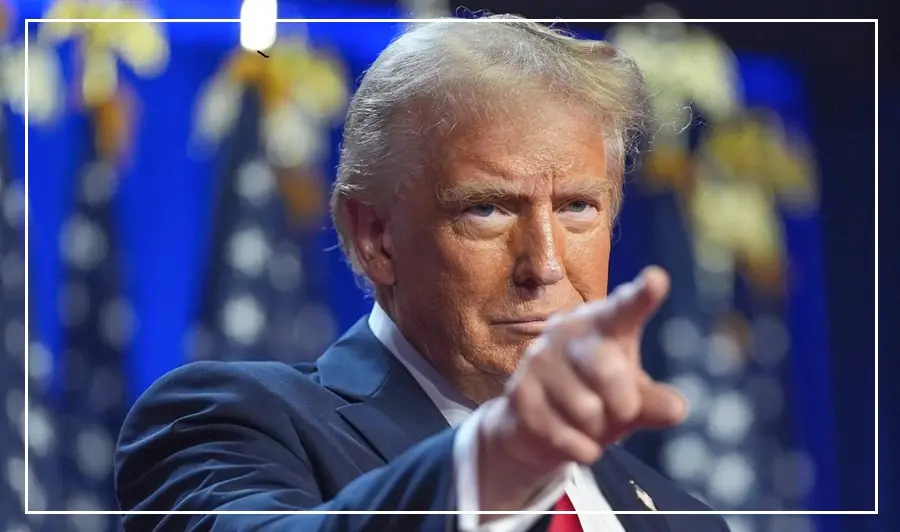
This change came after discussions between India and the US. Recently, Prime Minister Narendra Modi and US President Donald Trump spoke on the phone. After that, both countries reached an agreement and released the factsheet, which has now been revised.
Second Major Change: $500 Billion Purchase Statement
The second big change is about India’s purchases from the US. Earlier, the factsheet said that India had “committed” to buying $500 billion worth of goods from the US.
Now, the word “committed” has been changed to “intend.” This means India has not made a firm promise, but only expressed an intention. Promises are legally binding, but intentions can change depending on negotiations. So this change gives India more flexibility.
Agricultural Products Removed from the Purchase List
Another important relief is that agricultural products have been removed from the purchase list. Earlier, agriculture was included in the list of goods India would buy.
Now, the revised text mentions only energy, information and communication technology (ICT), coal, and other products. This means India is not under pressure to buy American agricultural products.
The new statement says that India intends to buy more American products and purchase over $500 billion worth of US energy, ICT, coal, and other products.
Change in Digital Services Tax Statement
The updated factsheet has also changed the language related to India’s digital services tax. Earlier, it said that India would repeal its digital services tax and commit to negotiating strong digital trade rules.
Now, the revised version only says that India has committed to negotiating strong bilateral digital trade rules.
The part about repealing the digital services tax has been removed. This means India does not need to take any immediate action on digital taxes.
Relief for India After Long Negotiations
All these changes are a big relief for India. Currently, India faces an 18% tariff, which is lower than the tariffs on Pakistan, Bangladesh, and China.
Negotiations for this deal have been going on since February 2025. Initially, the US had imposed a 50% tariff on India, which was later reduced to 18%.
The recent changes in the factsheet show that India strongly presented its position, and the US accepted some of India’s arguments.
What These Changes Mean for India
The decision not to reduce tariffs on pulses is very important for Indian farmers, as pulses are a key crop in India. If American pulses had become cheaper, Indian farmers would have suffered losses. Now, that risk has been removed.
The $500 billion purchase has been changed from a firm promise to an intention, which means India has no legal obligation.
India also does not need to immediately change its digital tax policy. Only future discussions on digital trade rules will take place.
Overall, when the deal was first announced, some conditions seemed strict. But after the US revised its factsheet, it is clear that India has protected its interests well.
More details will come when the full agreement is released, but for now, these changes are positive for India.