


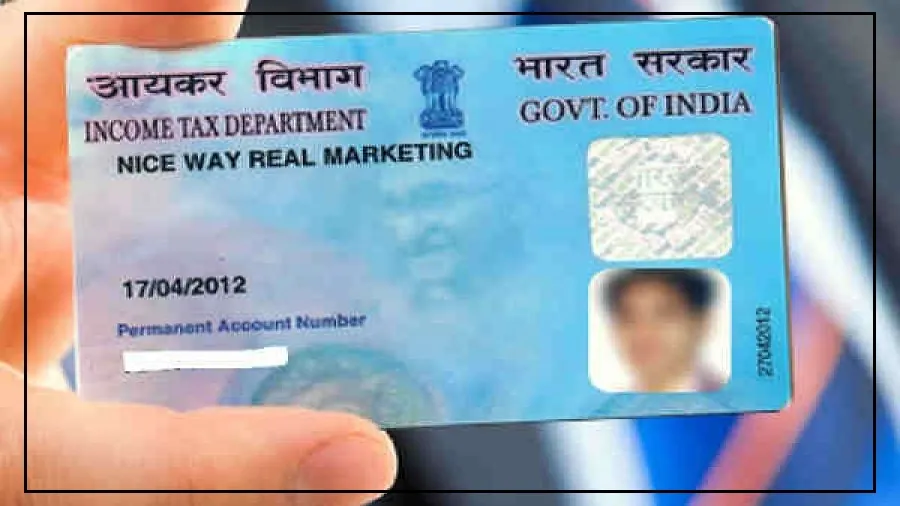
The draft of the new Income Tax rules has been released. According to these rules, quoting a Permanent Account Number (PAN) will not be required for motor vehicle transactions worth less than ₹5 lakh.
This means that if someone buys or sells a car, motorcycle, or any other vehicle worth less than ₹5 lakh, they will not need to provide their PAN.
Currently, PAN is mandatory for buying or selling a vehicle. Even if the vehicle’s value is very low, PAN must be provided under the existing rules.
Transactions Where PAN Will Be Mandatory
The Income Tax Department has invited public opinions on the new rules until February 22. Draft Rule 159 lists the financial and high-value transactions where PAN will be required.
According to this rule, PAN must be mentioned in the following cases:
Opening a bank account or demat account
Applying for a credit card
Depositing or withdrawing large amounts of cash
Buying mutual fund units, bonds, or securities
Buying high-value motor vehicles
Buying property
Paying large bills for hotels, events, or similar services
The main purpose of these rules is to monitor large financial transactions, improve tax compliance, and prevent tax evasion.
PAN Requirement Based on Transaction Limits
Under the new rules, PAN will be required if the transaction value crosses certain limits.
If a person deposits ₹10 lakh or more in cash in a bank account or withdraws ₹10 lakh or more in a financial year, PAN must be provided.
Currently, PAN is required if more than ₹50,000 cash is deposited in a bank account in a single day.
PAN will be required if the bill of a hotel, restaurant, convention centre, or banquet hall exceeds ₹1 lakh.
At present, PAN is necessary if the hotel or restaurant bill is more than ₹50,000.
New Income Tax Act Effective from April 1
Finance Minister Nirmala Sitharaman announced in the Union Budget on February 1 that the Income Tax Act, 2025, will come into effect from April 1 this year. This new Act will replace the Income Tax Act, 1961.
The number of rules in the new Act has been reduced, and the language has been simplified.
The aim is to make tax rules easier for common people to understand, so they do not always need a tax expert. Earlier, the language of the Income Tax Act, 1961, was complex, which created difficulties for taxpayers.