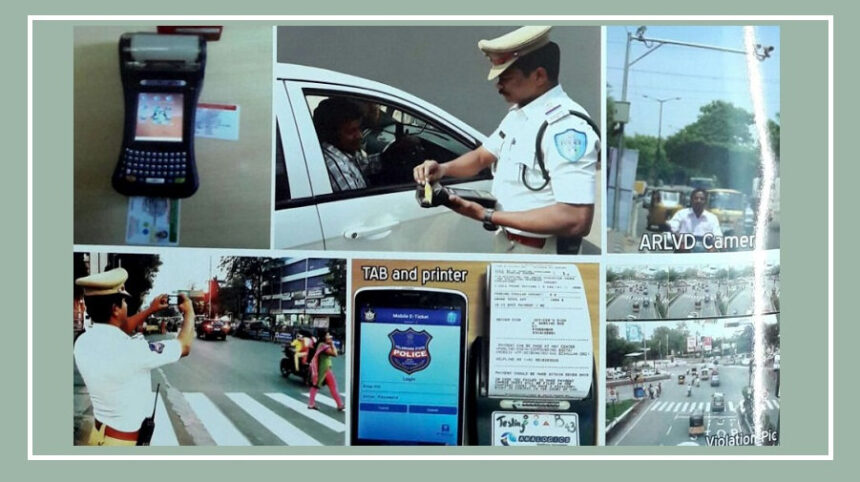
Cases of online fraud are increasing rapidly, and scammers are using new methods to trap people every day. A shocking case recently came from Bengaluru, where an educated tech professional lost ₹2.3 lakh due to a fake traffic challan scam.
The victim received a message on his phone saying that a traffic challan was pending on his vehicle. The message also contained a link for payment and looked exactly like an official government message.
Without thinking much, he clicked on the link. Within a few hours, multiple transactions were made from his bank account, and ₹2.3 lakh was withdrawn.
By the time he realized what had happened, he had already become a victim of fraud.
How the Fake Traffic Challan Scam Works
This scam takes advantage of people’s fear and urgency. Fraudsters send messages that look like real notices from the traffic police or government authorities.
The message claims that there is a challan against your vehicle and warns that legal action may be taken if you do not pay it.
When the victim clicks on the link, it opens a fake website that looks like an official government portal. If the user enters personal details or an OTP, the fraudsters gain access to their bank or UPI account and withdraw money from it.
How to Avoid Fake Challan Scams
To stay safe from such scams, being cautious is very important. Do not click on unknown or suspicious links without verifying them. Never share your OTP, bank details, or UPI information with any website or person.
If a challan is genuinely pending, it will always be available on official government platforms like the Parivahan website, the mParivahan app, or DigiLocker.
If you receive a traffic challan message from an unknown number, stay alert immediately. Also, if the link in the message is shortened, the spelling is incorrect, or the language looks unusual, it is a strong sign that the message is fake.