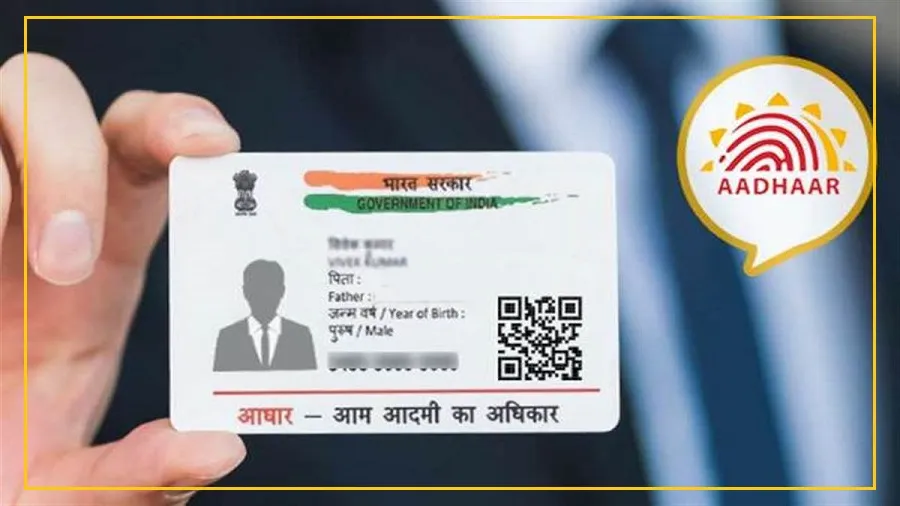
The Delhi High Court has directed all domain name registrars (DNRs) in India to implement strict e-KYC verification for anyone registering a domain.
The court highlighted that weak identity checks have allowed fraudsters to create fake websites, phishing portals, and scams, misleading consumers and misusing popular brand names.
In a detailed 248-page judgment, Justice Prathiba M. Singh noted that anonymity in domain registrations has made it easy to cheat the public through fake franchise, distributorship, and investment schemes.
Key Directions for Domain Registrars
The Delhi HC ruled that:
All registrants must undergo mandatory identity verification at the time of domain registration.
Periodic re-verification must be conducted in line with CERT-In Circular (April 28, 2022).
The practice of “privacy by default” is no longer allowed.
Registrants can only mask details after completing verification.
Verified registration data must be shared with NIXI (National Internet Exchange of India) for domains it manages, with monthly updates.
In case of a court or law enforcement request, DNRs must provide name, address, mobile number, email ID, and payment info within 72 hours.
Consequences of Non-Compliance
The court warned that failure to follow KYC and disclosure rules could result in:
Loss of safe harbour protection under the Information Technology Act, 2000
Possible blocking of non-compliant registrars under Section 69A
Justice Singh highlighted that out of 1,100+ infringing domains, almost none had legitimate registrants, showing that many domains exist solely for illegal purposes.
The ruling aims to protect consumer trust and prevent businesses from being exploited by fraudsters.
Towards a Uniform e-KYC Framework
The Delhi HC also asked the Central Government to consider a uniform e-KYC system for all DNRs in India, similar to the model used by NIXI, while ensuring compliance with the Digital Personal Data Protection Act.
The court instructed the government to hold stakeholder consultations with all registrars and registry operators to explore standardized identity verification processes, ensuring stronger safeguards against fraud.