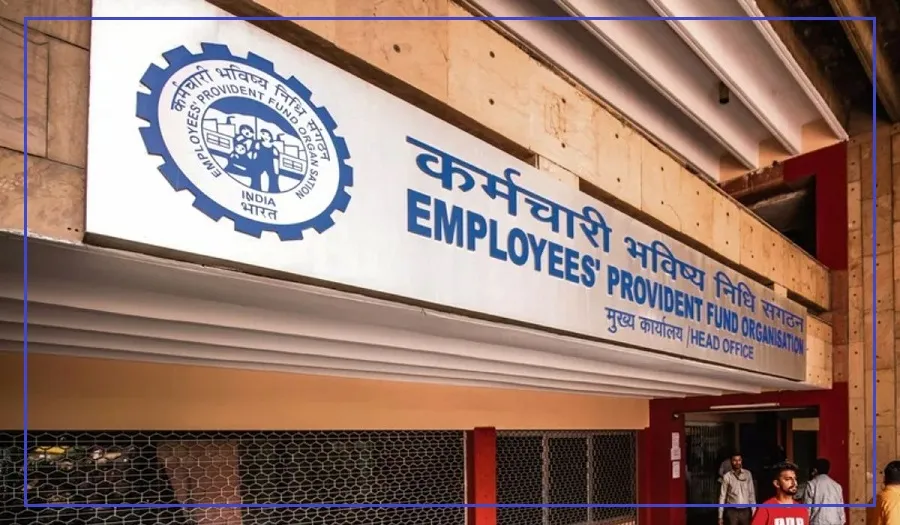
The Employees’ Pension Scheme (EPS) is a retirement plan managed by the Employees’ Provident Fund Organization (EPFO).
It provides a regular pension to organized sector employees after retirement.
To be eligible for a regular pension, you must:
Complete at least 10 years of continuous service
Reach the age of 58
If a member leaves their job before completing 10 years, they can either withdraw the accumulated pension or receive a reduced pension.
The minimum EPS pension is currently ₹1,000 per month.
EPS is funded by the employer’s contribution to the EPF. Out of the employer’s 12% contribution:
8.33% goes to EPS
3.67% goes to EPF
Do EPS Funds Earn Interest?
Unlike your PF account, EPS funds do not earn interest.
The government does not pay interest on the pension fund created from the employer’s share.
The pension amount is calculated using a fixed formula:
Pension = (Pensionable Salary × Pensionable Service) ÷ 70
The maximum pensionable salary is ₹15,000 per month.
Example: If someone works for 35 years, their pension will be approximately ₹7,500 per month.
Will the Minimum EPS Pension Increase?
There have been discussions in the media about raising the minimum EPS pension from ₹1,000 to ₹7,500 per month.
However, the government has clarified in Parliament that no official plan exists yet.
The Minister of State for Labor and Employment, Shobha Karandlaje, stated that increasing pensions without a new funding model could strain the EPS fund.
While the government wants to provide maximum benefits, it is focusing on long-term sustainability.
Key Takeaways:
EPS is for employees in the organized sector after retirement.
Minimum pension is ₹1,000, and funds do not earn interest.
Pension is calculated based on salary and years of service.
No confirmed plan to raise the minimum pension yet.