Apple has introduced a new feature in India that could quietly transform how people discover high blood pressure.
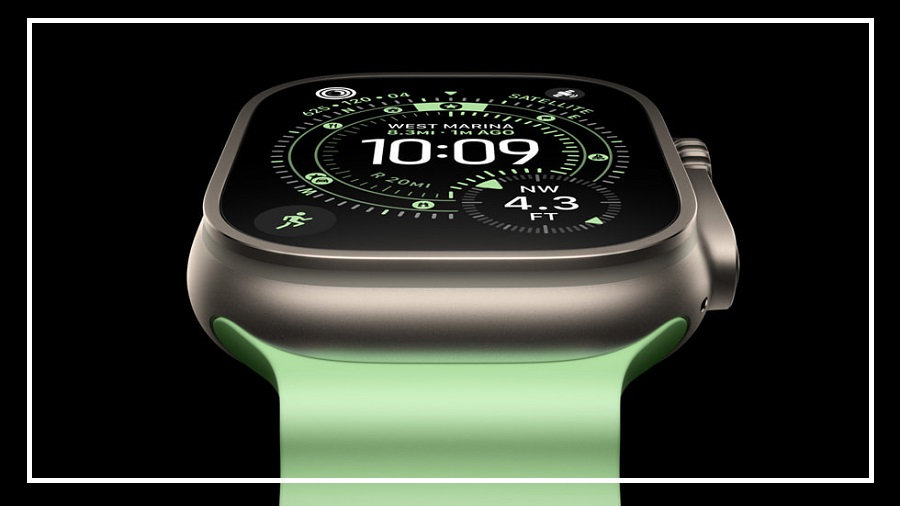
The Apple Watch can now send hypertension notifications, alerting users if their body shows signs of chronic high BP.
Instead of relying on traditional cuffs, the watch uses a machine learning algorithm that studies PPG signals collected from its optical heart sensor.
It observes these patterns over 30 days, looking for early signs of undiagnosed hypertension.
Built on Science, Designed for Early Warnings
According to Apple cardiologist Dr. Adam Phillips, the feature is grounded in three principles: scientific accuracy, actionable insights, and complete privacy.
Apple says every alert aims to reach the right person at the right moment, helping them take timely steps toward better health.
Hypertension affects over 1.3 billion people worldwide, with nearly half unaware they have it.
Apple’s goal is simple: catch it early so serious complications like heart attacks, strokes, or kidney disease can be avoided.
To build confidence in this feature, Apple studied data from more than 100,000 participants and clinically validated it on 2,229 adults over 30 days.
The company expects nearly one million users in the first year alone.
How the Hypertension Alerts Work
The feature is available for Apple Watch users above 22 years of age who haven’t been diagnosed with high BP and are not pregnant.
Once set up through the Watch or Health app, it runs silently in the background.
Users already diagnosed with hypertension cannot activate it, though they can still log their readings manually.
The feature works on Apple Watch Series 9, 10, 11, Ultra 2, and Ultra 3.
Reports can be shared directly through email, messages, or WhatsApp for medical consultations.
If someone receives an alert, Apple suggests logging BP for seven days using a standard third-party cuff to confirm the findings.
In clinical tests, the feature showed a sensitivity of 41.2% and a specificity of 92.3%—numbers similar to traditional BP cuffs.
Dr. Phillips also clarified that short-term stress or recent medication changes won’t easily trigger alerts, making the system more reliable for spotting long-term hypertension.
A gentle nudge from your wrist today might just protect your heart tomorrow.