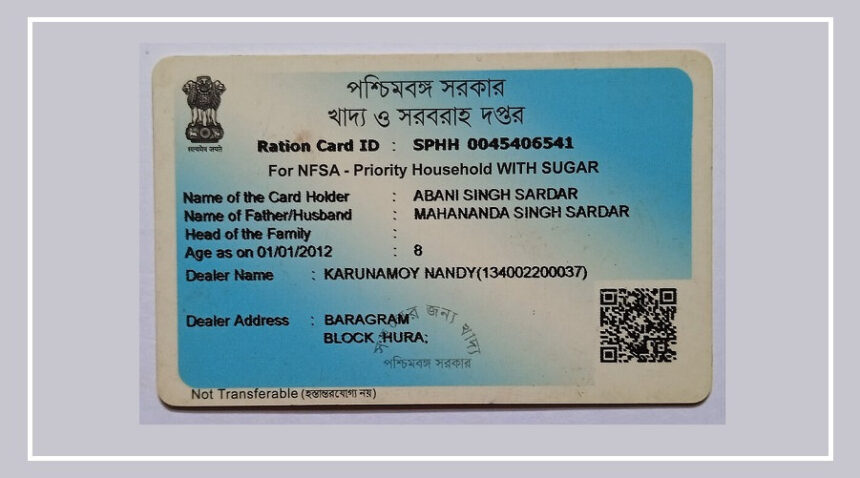
The Indian government has taken a major step to make life easier for ration card holders.
From April 2026, eligible beneficiaries will get three months’ ration in one go instead of collecting it every month.
This move is aimed at helping people, especially those in rural and working-class families.
Now, people will not have to visit ration shops repeatedly or stand in long queues every month.
Aadhaar Linking is Now Mandatory
There is one important condition to get this benefit.

Only those ration cards that are linked with Aadhaar will be eligible for this three-month ration facility.
If your ration card is not linked, you will not receive the benefit.
The government has introduced this rule to ensure that only genuine beneficiaries receive the ration and to stop misuse or black marketing.

How This Step Will Improve Transparency
Linking ration cards with Aadhaar will make the Public Distribution System (PDS) more transparent and efficient.
It will help in:
Identifying fake or duplicate ration cards
Removing ineligible people from the system
Preventing misuse of government resources
Stopping grain theft and incorrect entries

This digital system will ensure that benefits reach the right people.
How to Get Your 3-Month Ration
The process to receive ration is simple.
From April, eligible beneficiaries need to visit their nearest Fair Price Shop.
If your Aadhaar is already linked, you don’t need any extra documents.
You just have to complete biometric verification, and you will receive your ration for three months at once.
This will save both time and travel expenses.
Easy Way to Link Aadhaar with Ration Card
If your ration card is not yet linked, you can do it online easily.
Follow these steps:
Visit your state’s Food & Civil Supplies website
Click on the “Aadhaar Seeding” option
Enter your ration card number and Aadhaar number
Verify using OTP sent to your registered mobile number
Once done, you will get a confirmation message.
What This Means for You
This decision will reduce hassle, save time, and make the ration system more efficient.
At the same time, it ensures that government benefits reach only those who truly need them.