The Central Government is planning several major changes to make vehicle-related services faster, easier, and more transparent.
The Ministry of Road Transport and Highways (MoRTH) has released a draft notification proposing amendments to the Central Motor Vehicles Rules, 1989.
The proposed rules aim to simplify processes such as RC cancellation, traffic challans, and appeals while increasing accountability among officials.
The ministry has invited public suggestions and objections within 30 days before the rules are finalized.
RC Cancellation May Become Completely Online
Under the proposed rules, vehicle owners may no longer have to visit the RTO to cancel a vehicle’s Registration Certificate (RC).
If a vehicle has been destroyed, scrapped, permanently damaged, or removed from India, the owner will be able to submit an online application through Form 37A within 30 days or as soon as possible.
Once the application is verified, the registering authority can cancel the vehicle’s registration.
The owner and insurance company will receive an online confirmation through Form 37B.
Some Traffic Violations May Get a Warning First
One of the biggest proposed changes is a warning system for certain minor traffic violations.
Instead of issuing an immediate challan, authorities may first issue an official warning.
However, the warning will be recorded on the traffic portal and will remain in the driver’s record.
If the same violation is repeated later, the previous warning will be treated as a past offence, making it easier for authorities to issue a challan for repeat violations.
Video Conferencing for Challan Hearings
The government also plans to make traffic penalty hearings more convenient.
Under the draft rules, state governments will have to set up online systems so that hearings can be conducted through video conferencing or other electronic methods.
The adjudicating authority will provide the driver an opportunity to present their case and must issue a decision within 30 days of the hearing.
Appeals Must Also Be Decided Within 30 Days
If someone is not satisfied with the decision on a traffic challan, they will be able to file an appeal before an appellate authority, which must be at least of the rank of Additional District Magistrate (ADM) or an equivalent officer.
The appeal should normally be filed within 30 days of receiving the order.
However, delayed appeals may still be accepted if there is a valid reason.
The appellate authority will also have to decide the appeal within 30 days.
Officials May Be Penalised for Delays
The draft rules also introduce stricter accountability for government officials.
If an officer fails to decide a challan case or an appeal within the prescribed 30-day period, they could face a penalty ranging from ₹5,000 to ₹10,000.
The move is aimed at reducing delays in traffic-related cases.
Pending Challans Could Block Vehicle and Licence Services
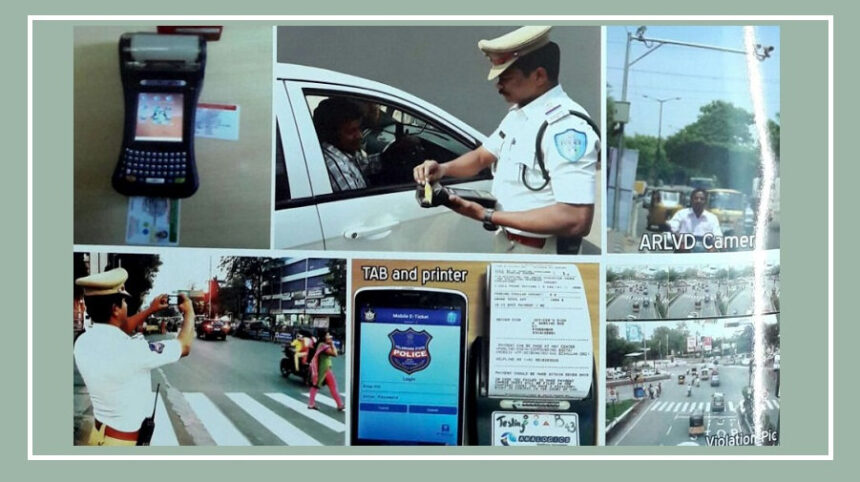
The proposed rules also tighten action against people who ignore unpaid traffic challans.
If a challan remains unpaid even after a final decision by the court or the competent authority, several vehicle-related services may be blocked.
These may include:
Driving licence-related services
Registration Certificate (RC) services
Other vehicle-related applications
The vehicle may also be marked as “Not to be Transacted” on the transport portal until the pending challan is cleared.
However, this restriction will not apply if the challan is still under consideration by a court or another authority.

Public Suggestions Invited
The Ministry of Road Transport and Highways has invited public comments on the proposed amendments.
People can submit their objections or suggestions within 30 days of the draft notification being published in the Gazette of India.
The new rules will come into effect only after they are officially notified by the government.