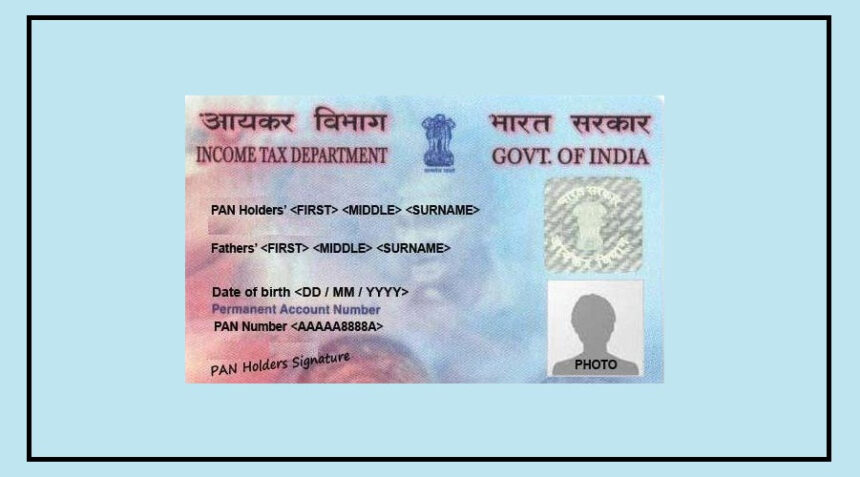
A PAN card is one of the most important financial documents in India.
While most people associate it mainly with income tax filing, its use goes much beyond that.
From opening a bank account to buying property or making high-value purchases, PAN is now required almost everywhere in the financial system.
Without it, many transactions can get delayed, rejected, or flagged for compliance issues.
Where PAN is required in daily financial life
The government uses PAN as a key tool to track high-value financial transactions and link them to a person’s income profile.
That is why it is mandatory in several major transactions.
You need to quote your PAN when buying or selling immovable property worth more than ₹20 lakh.
It is also required for purchasing goods or services worth over ₹2 lakh in a single transaction.
For financial investments, PAN is needed when buying or selling unlisted shares above ₹1 lakh, or while dealing with securities through a demat account.
Even vehicle purchases are included. Buying or selling a motor vehicle or motorcycle worth more than ₹5 lakh requires PAN details.
These rules help the tax authorities keep a record of large transactions and ensure they match declared income.
What happens if you don’t have a PAN?
If you do not have a PAN card while making such transactions, you are required to submit Form 60 instead.
This acts as a temporary declaration in place of PAN.
However, providing incorrect or false information can lead to a penalty of up to ₹10,000 under Section 272B of the Income Tax Act.
Experts also warn that missing or mismatched PAN details can trigger scrutiny from tax authorities.
According to tax professionals, if a transaction does not match the income declared in your tax return, the tax department may ask for explanations about the source of funds and the nature of the transaction.
In some cases, this can even lead to notices or detailed verification.
Why PAN compliance is important
PAN is not just a tax document anymore.
It is a financial identity that connects your transactions to your income records.
Keeping it updated and using it correctly helps avoid delays, penalties, and unnecessary scrutiny during major financial activities.