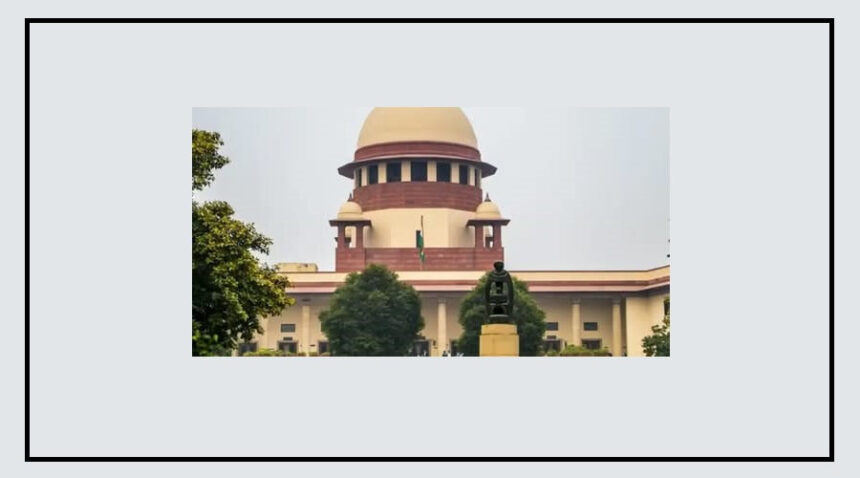
In a major step towards faster justice, the Supreme Court has directed all High Courts across India to pronounce judgments within three months of reserving orders.
The move aims to reduce long delays that often leave people waiting for months or even years after court hearings have ended.
The decision is expected to improve accountability, increase transparency, and strengthen public trust in the judicial system.
Supreme Court Fixes Deadline For Judgments
The apex court noted that delays in delivering judgments can create serious difficulties for litigants and weaken confidence in the justice system.
To address this issue, the court said High Courts should normally deliver detailed and reasoned judgments within three months from the date orders are reserved.
According to the Supreme Court, delayed judgments can have a direct impact on people’s lives, especially in important civil and criminal cases where timely decisions are crucial.
Special Focus On Bail And Personal Liberty Cases
The Supreme Court has also asked High Courts to give priority to cases involving personal liberty.
These include bail applications, anticipatory bail pleas, and criminal appeals where accused persons are in custody.
The court stated that bail orders should ideally be pronounced on the same day.
If that is not possible, they should be delivered by the next day after the order is reserved.
Additionally, courts have been directed to ensure that bail orders are communicated quickly to jail authorities so that eligible individuals are not kept in custody unnecessarily.
New Accountability Measures For Delayed Judgments
To make sure the new guidelines are followed, the Supreme Court has introduced monitoring mechanisms.
If a judgment is not delivered within three months, the matter must be brought before the Chief Justice of the concerned High Court.
Further administrative reviews may be initiated if delays continue.
The court also said that parties affected by excessive delays can seek intervention and request an early pronouncement of pending judgments.
In exceptional situations, cases may even be transferred to another bench for a fresh hearing.
Technology To Bring More Transparency
The Supreme Court has encouraged greater use of technology to improve transparency in the judicial process.
High Courts have been asked to update their websites with information such as when a judgment was reserved, when the operative order was pronounced, and when the final detailed judgment was uploaded.
The guidelines also suggest sending automated notifications to lawyers and litigants when judgments become available, helping reduce uncertainty and improve communication.
What This Means For Citizens
The Supreme Court’s latest directive is aimed at making India’s justice delivery system faster and more efficient.
By setting a three-month deadline for judgments, prioritizing bail matters, and introducing accountability measures, the court hopes to reduce delays and ensure quicker resolution of legal disputes.
The move is expected to boost public confidence in the judiciary and bring much-needed speed and transparency to the legal process.