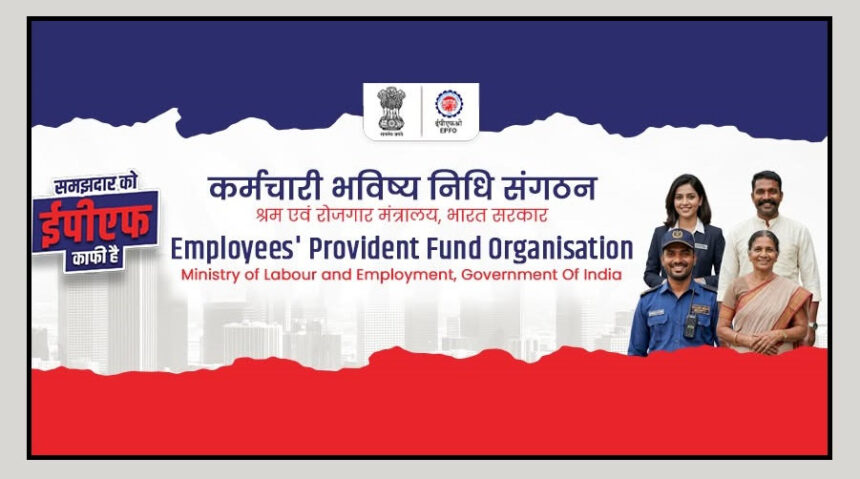
The Employees’ Provident Fund Organisation (EPFO) has introduced VISHWAS 2026, a one-time settlement scheme that gives employers a chance to resolve long-pending PF penalty disputes at reduced rates.
The scheme is aimed at settling cases related to damages imposed for delayed EPF contributions.
It has been launched to reduce litigation, clear old disputes, and help recover pending dues without lengthy legal proceedings.
Employers can apply under the scheme for six months from June 29, 2026.
What Is the VISHWAS 2026 Scheme?
When employers fail to deposit EPF contributions on time, EPFO can impose penalty charges, known as damages, under the EPF Act or the Code on Social Security.
Under VISHWAS 2026, eligible employers can settle these pending disputes by paying reduced damages instead of the full penalty amount, provided they meet all the conditions laid down by EPFO.
The scheme applies only to disputes related to PF damages and not to other types of EPF violations.
Who Can Apply?
Employers can apply if their PF damages dispute is still pending at any stage. This includes:
Cases pending before a court or tribunal.
Cases where a damages order has been issued but recovery is not complete.
Cases where a show-cause notice has been issued but the final order has not been passed.
Cases where EPF payments were delayed but no show-cause notice has been issued yet.
However, the scheme only covers disputes related to damages under the relevant provisions of the EPF law.
How to Apply for VISHWAS 2026
Applications must be submitted through the EPFO Employer Portal using a Digital Signature Certificate (DSC) or e-sign.
Before applying, employers must first pay the entire interest amount payable under the applicable provisions of the EPF Act.
They also need to:
Update their PAN, email ID, and mobile number if required.
Provide details of the default period and the damages imposed.
Submit proof of interest and penalty payments, wherever applicable.
Declare that the interest has been fully paid.
Give an undertaking that no further appeal will be filed after the dispute is settled.
Once EPFO approves the application, the settlement amount must be paid within 15 days. A digitally signed settlement certificate will then be available in the employer’s EPFO login.
Who Is Not Eligible?
Not all employers can use the VISHWAS 2026 scheme.
The scheme does not apply to:
Cases where the entire damages amount has already been recovered.
Cases involving fraud, misappropriation, or deliberate falsification of records.
Employers who have not fully paid the applicable interest before applying.
Such cases will continue to be handled under the existing legal process.
Reduced Penalty Rates Under the Scheme
The benefits of VISHWAS 2026 are available only for defaults that occurred before June 14, 2024.
EPFO will calculate damages at concessional rates based on the length of the delay:
0.25% per month for delays of up to 2 months.
0.50% per month for delays of more than 2 months and up to 4 months.
1% per month for delays exceeding 4 months.
These rates are significantly lower than the normal penalty structure, making it easier for employers to settle old disputes.
What Happens If Part of the Penalty Has Already Been Paid?
If an employer has already paid part of the damages, EPFO will recalculate the penalty using the reduced rates under VISHWAS 2026.
If the amount already paid is less than the revised penalty, the employer must pay the remaining amount to complete the settlement.
If the amount already paid is more than the revised penalty, EPFO will not issue a refund, and the excess amount cannot be adjusted against any future or pending damages for the same period.
Key Things Employers Should Remember
Before applying, employers must ensure that all interest dues have been fully paid.
They must also agree not to file any further appeal related to the same dispute after opting for the scheme.
With reduced penalty rates and a simplified settlement process, VISHWAS 2026 offers eligible employers a one-time opportunity to close long-pending PF damage disputes without prolonged litigation.