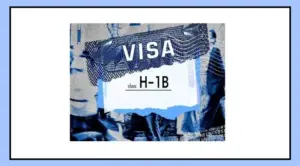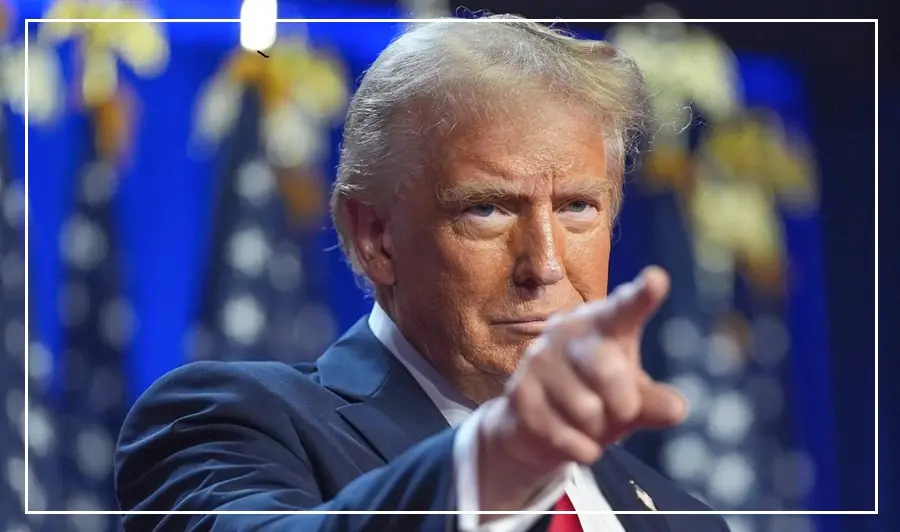
A major relief has come for H-1B visa applicants after a US federal court struck down a controversial rule introduced by President Donald Trump.
The rule would have increased the fee for new H-1B visa applications to a massive $100,000.
The decision is being seen as a big win for US businesses, universities, and thousands of skilled foreign workers, especially professionals from India.
Court Calls Fee Hike Unlawful
US District Judge Leo Sorokin of Boston ruled that the Trump administration did not have the legal authority to impose such a high fee without approval from the US Congress.
The court said the policy was unlawful and exceeded the powers granted to the president. The ruling came after several Democratic-led states, including California, challenged the decision in court.
The case was also supported by the US Chamber of Commerce and several business groups, which argued that the rule would hurt companies that depend on skilled foreign talent.
Why Did the Trump Administration Introduce the Rule?
The Trump administration announced the $100,000 H-1B visa fee in September 2025 as part of its efforts to reduce dependence on foreign workers.
According to the government, the higher fee would encourage US companies to hire more American workers instead of recruiting talent from overseas.
Before this proposal, employers generally paid between $2,000 and $5,000 for an H-1B visa application. The sudden jump to $100,000 raised concerns among businesses and immigration experts.
Although the court has blocked the rule for now, experts believe the administration could challenge the decision in a higher court.
Why This Matters for Indian Professionals
The H-1B visa is one of the most important pathways for skilled professionals to work in the United States. It is widely used by companies in sectors such as technology, engineering, healthcare, and finance.
Indian citizens receive the largest share of H-1B visas every year. As a result, the court’s decision is expected to provide significant relief to Indian IT professionals and technology companies that send employees to the US.
The United States currently issues 65,000 regular H-1B visas annually. An additional 20,000 visas are reserved for people who have earned advanced degrees, such as a master’s or PhD, from US universities.
Current H-1B Visa Situation
According to immigration advocacy group FWD.us, around 730,000 H-1B visa holders currently live in the United States. They are accompanied by nearly 550,000 dependents, including spouses and children.
The ruling is expected to benefit both employers and skilled workers, as the proposed fee increase would have made hiring foreign talent far more expensive.
For now, the court’s decision has brought relief to the US tech industry and thousands of professionals who rely on the H-1B visa program to work in America.