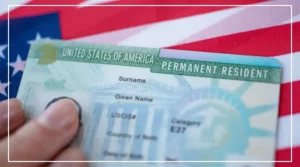

At a time when immigration policies in the United States are becoming stricter, a new effort by a US senator is bringing hope to millions of immigrants waiting for permanent residency.
California Democratic Senator Alex Padilla has renewed his push for a bill called the “Renewing Immigration Provisions of the Immigration Act of 1929”, also known as the Registry Bill.
The proposed law aims to make it easier for certain long-term immigrants living in the US to apply for a Green Card (lawful permanent residency).
Who Could Benefit From This Green Card Proposal?
The bill could impact millions of immigrants who have been living and working in the US for years but are stuck in long waiting periods for permanent residency.
This includes:
H-1B visa holders and highly skilled workers
Children of long-term visa holders
Dreamers who were brought to the US as children
Temporary Protected Status (TPS) holders
Essential workers
The proposal could potentially create a Green Card pathway for more than 8 million people if approved.
Indian professionals may be among the biggest beneficiaries. Over the years, Indians have received a large share of H-1B visas, but many face extremely long waits for Green Cards due to existing immigration limits.
Why Are Indian Immigrants Facing Long Green Card Delays?
The US issues a limited number of employment-based Green Cards every year.
Under current rules, only around 140,000 employment-based Green Cards can be issued annually, including dependents.
In addition, a 7% per-country limit restricts how many Green Cards people from one country can receive.
Because of these limits, many Indian professionals have been waiting for decades.
According to US Citizenship and Immigration Services (USCIS) data, more than 1.2 million Indians are currently affected by the employment-based Green Card backlog.
For many families, this long wait creates uncertainty about their future in the United States.
What Changes Does the Registry Bill Propose?
The Registry Bill focuses on updating an old immigration rule created under the Immigration Act of 1929.
Currently, the Registry provision allows certain immigrants who have lived in the US for a long time to apply for permanent residency if they meet specific conditions.
Senator Padilla’s proposal aims to modernize this rule by changing the eligibility requirements.
Under the proposed changes:
Immigrants who have continuously lived in the US for at least seven years could become eligible to apply.
Applicants must have no criminal record.
They must meet other existing Green Card requirements.
The eligibility date would become flexible instead of being fixed to a specific year.
This means future immigrants who complete the required period of residence could also benefit without waiting for Congress to update the date again.
Senator Padilla Calls for a Fair Immigration System
Senator Padilla said the bill is needed to support immigrants who have built their lives in the United States and contribute to the economy and local communities.
He argued that millions of long-term residents continue to live with uncertainty because of outdated immigration rules.
According to Padilla, updating the Registry system would provide a fair opportunity for eligible immigrants to secure lawful permanent residency.

Immigration Debate Intensifies in the US
The renewed push for the bill comes during a period of increased debate over US immigration policies.
Recent data from Immigration and Customs Enforcement (ICE) showed a rise in immigration detentions.
According to data from Syracuse University’s TRAC immigration tracker, thousands of people in ICE custody did not have criminal convictions.
Supporters of the Registry Bill believe the proposal could help long-term residents who follow the law and contribute to American society.
However, the bill still needs approval from Congress before it can become law.
For millions of immigrants waiting for a Green Card, its progress could determine whether their long-awaited path to permanent residency becomes easier.