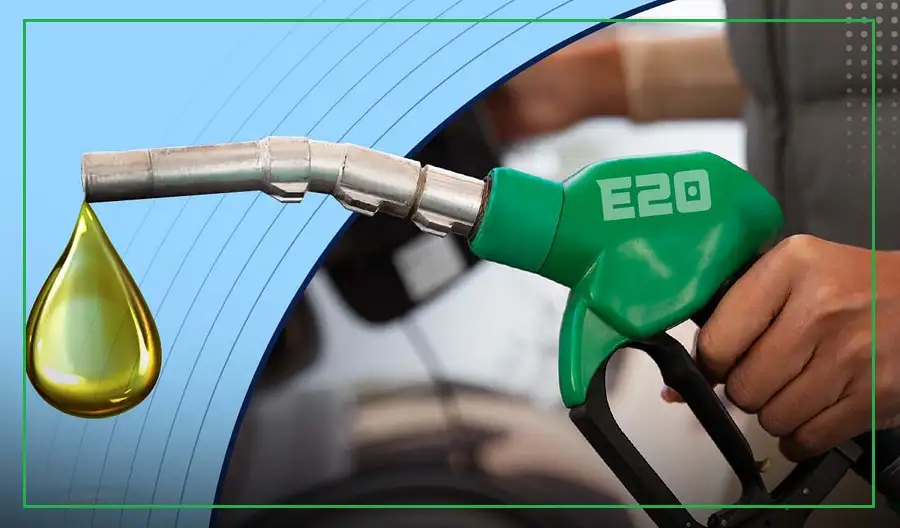
There has been a lot of confusion in recent days about E20 petrol and its impact on vehicle insurance. Some reports claimed that using E20 fuel could lead to insurance claims being rejected.
The central government has now cleared the air, saying these claims are completely false.
According to the Ministry of Petroleum and Natural Gas, using E20 petrol does not affect the validity of vehicle insurance in any way.
The ministry said it consulted experts and concerned authorities before issuing the clarification.
No Impact on Insurance Claims
The government said that reports claiming insurance policies become invalid due to the use of E20 petrol are nothing more than rumours. After reviewing the matter, it found no evidence to support such claims.
The ministry also pointed out that ethanol-blended petrol has been used successfully in several countries for many years.
Nations such as the United States, Brazil, and Japan already use higher ethanol blends without any issues related to vehicle insurance.
E20 Fuel Already Proven Worldwide
The government highlighted that Brazil has been using E27 petrol, which contains 27% ethanol, as a standard fuel for a long time. This shows that ethanol-blended fuel is safe and widely accepted.
It added that increasing ethanol blending helps reduce India’s dependence on imported petrol while also supporting cleaner fuel use.
Big Benefits for the Economy and Farmers
The government said the ethanol blending programme has helped India save more than ₹1.4 trillion in foreign exchange by reducing crude oil imports.
This has strengthened the country’s energy security and lowered the import bill.
At the same time, the demand for crops such as sugarcane and corn has increased for ethanol production, creating better income opportunities for farmers.
Cleaner Environment with Ethanol Blending
According to the government, ethanol blending also helps reduce carbon emissions, making transport more environment-friendly.
Along with protecting the environment, the programme is helping strengthen the rural economy and supporting the goal of increasing farmers’ incomes.