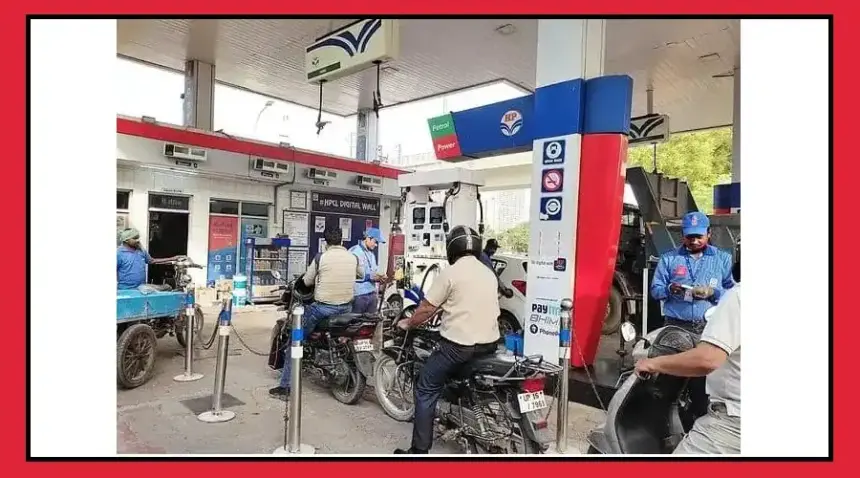
A major fuel-quality check is underway across India, and thousands of petrol pumps have come under the government’s scanner.
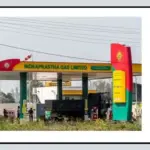
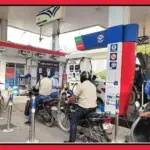
The Ministry of Petroleum and Natural Gas has stopped petrol sales at 2,573 fuel outlets that were found to be non-compliant as of August 25.
Among them, Indian Oil Corporation (IOC) had the highest number of affected outlets at 1,257.
This was followed by Hindustan Petroleum (HPCL) with 915 and Bharat Petroleum (BPCL) with 401.
The action comes amid concerns about contamination in E20 petrol and the possible impact it could have on vehicle fuel-system components.
Government Steps Up Petrol Quality Checks
The government has significantly increased inspections at petrol pumps.
One major focus is checking whether water is entering underground fuel tanks.
These tanks are now being tested between 8 and 12 times a day under the ongoing programme.
The checks have already covered around 88,995 dealerships.
A broader audit has also been carried out at 84,687 fuel stations, with older outlets receiving special attention.
Inspection teams are checking the condition of fuel tanks, including during rainy conditions. Automated monitoring systems and probes are also being used at around 85,649 outlets.
Oil marketing companies are conducting additional tests throughout the fuel supply chain.
These include 7,296 sulphur tests and 1,079 chloride tests on ethanol tankers, along with 151 chloride tests on storage tanks.
Why Has E20 Petrol Come Under the Scanner?
The issue is linked to concerns over the quality of E20 petrol, which contains 20% ethanol.
The matter gained attention after a communication from the Society of Indian Automobile Manufacturers (SIAM) reportedly raised concerns about high chloride contamination in some fuel samples.
SIAM later withdrew the communication, saying that some of the figures needed further verification.
However, fuel contamination concerns continued to attract attention following further testing and reports.
Another important change has also taken place in India’s fuel market.
Since April 1, E20 has become the only petrol blend available at Indian pumps, replacing the earlier E10 option.
Carmakers Also Tested Petrol Samples
The concerns have not been limited to government inspections.
Several automobile manufacturers, including Maruti Suzuki, Tata Motors and Mahindra & Mahindra, reportedly conducted their own fuel-quality checks.
They reportedly collected and tested more than 250 fuel samples from petrol pumps across 21 states and Union territories over roughly a year.
The testing reportedly found elevated chloride levels in samples from several states.
For example, Rajasthan recorded chloride readings ranging from 6 ppm to 570 ppm. Delhi-NCR and Madhya Pradesh also recorded high levels in some samples.
Water contamination was another concern.
Samples from Andhra Pradesh and Uttar Pradesh reportedly showed water levels significantly above the stated permissible limit.
Is E20 Petrol Really the Problem?
This is an important distinction.
The concern is not necessarily about E20 petrol itself. The bigger issue highlighted by the quality checks is contaminated E20 petrol.
Chloride contamination and water entering the fuel supply chain can potentially affect sensitive components in a vehicle’s fuel system.
Organic chloride can be corrosive, while excessive water contamination can affect fuel quality and vehicle performance.

Some manufacturers have also raised concerns about fuel-pump and related component failures in certain regions.
Questions Raised Over Fuel-Quality Standards
The controversy has also raised questions about existing fuel-quality regulations.
According to the report, current BIS standards do not formally set a statutory limit for inorganic chlorides in finished ethanol-blended petrol.
However, the petroleum ministry and oil marketing companies follow internal procurement guidelines that set a 3 ppm chloride limit for ethanol manufacturers.
As India’s ethanol-blending programme expands, making such limits formally enforceable under fuel-quality standards could become an important step.
What Does This Mean for Vehicle Owners?
For motorists, the main concern is fuel quality, rather than simply the fact that petrol contains 20% ethanol.
The government’s decision to stop petrol sales at thousands of outlets shows how seriously it is treating possible contamination.
The ongoing inspections are aimed at ensuring that fuel reaching consumers meets quality requirements and that contamination does not affect vehicles.
For now, motorists should remain aware of fuel quality and keep records of fuel purchases if they experience unusual vehicle or fuel-system problems.
Bottom Line
The government has stopped petrol sales at 2,573 non-compliant outlets as part of a nationwide fuel-quality drive.
Thousands of petrol stations, tanks and other parts of the fuel supply chain are being tested for water and chloride contamination.
The action comes at a time when India is moving fully towards E20 petrol, making fuel-quality checks increasingly important for both consumers and automobile manufacturers.