

Delhi No PUC No Fuel Rule Starts November 1, bringing stricter checks for vehicle owners as the capital prepares to tackle winter air pollution.
Under the Delhi government’s Winter Action Plan, vehicles without a valid Pollution Under Control Certificate (PUCC) will not be allowed to refuel, while certain older vehicles registered outside Delhi will face entry restrictions.
The measures were announced by Chief Minister Rekha Gupta on October 20 as part of a wider effort to improve air quality during the winter months.
The seasonal action plan will run from November 1, 2026, to February 28, 2027, with several restrictions aimed at reducing vehicle emissions, construction dust and traffic congestion.
Delhi No PUC No Fuel Rule: What Drivers Need to Know
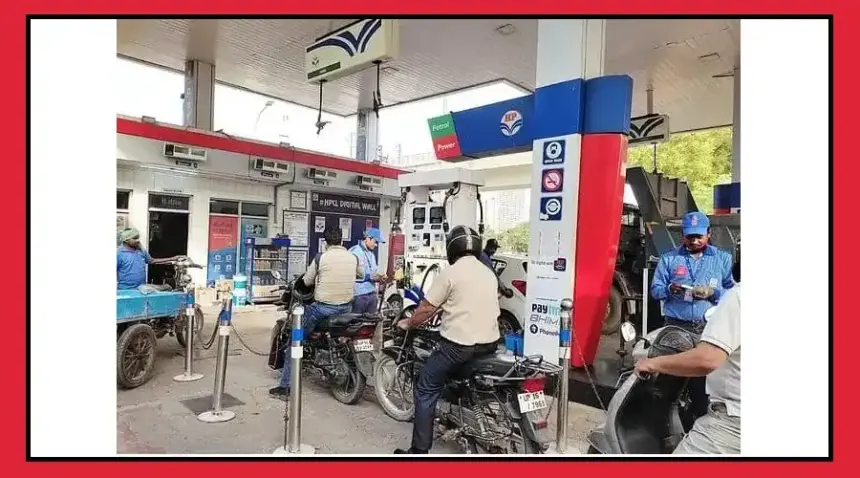
The new fuel policy means vehicle owners must ensure that their Pollution Under Control Certificate is valid before visiting a petrol pump.
The certificate confirms that a vehicle’s emissions meet the applicable pollution-control standards.
Under the announced measures, vehicles without a valid PUCC will be denied fuel.
This requirement is intended to encourage vehicle owners to keep their emission documents up to date and ensure their vehicles comply with pollution-control requirements.
Drivers should check their certificate’s validity before refuelling and arrange for an emissions test if it has expired.
They should also confirm the applicable requirements for their vehicle rather than assuming that registration documents alone are sufficient.
Older Vehicles From Outside Delhi Face Entry Restrictions
Another major measure targets petrol and diesel vehicles registered outside Delhi that do not meet Bharat Stage VI (BS-VI) emission standards.
These vehicles will not be allowed to enter the national capital from November 1 to January 31, 2027, under the announced winter pollution measures.
The restriction is intended to limit emissions from vehicles entering Delhi during the period when air pollution typically becomes a major concern.
BS-VI is India’s vehicle emission standard designed to impose stricter limits on pollutants released by vehicles.
The announced restriction specifically concerns non-Delhi-registered vehicles that do not meet BS-VI standards.
Vehicle owners should therefore check their vehicle’s registration details, fuel type and applicable emission classification before planning a journey into the capital.
The entry restriction and the no-fuel policy are separate measures.
A vehicle owner’s compliance with one requirement should not automatically be taken as confirmation that the vehicle meets every other applicable rule.
Other Measures in Delhi’s Winter Pollution Plan
The government has also announced measures targeting construction dust and traffic-related emissions.
Construction and demolition activities that generate dust will face restrictions, while monitoring systems are expected to strengthen enforcement at construction sites.
The plan also includes a 50 per cent work-from-home arrangement for government and private-sector employees, alongside staggered office timings.
These measures are intended to reduce the number of vehicles on Delhi’s roads and ease congestion during the winter pollution season.
Authorities will also promote public transport, including electric buses and Metro services, as well as carpooling and improved last-mile connectivity.
Encouraging commuters to use shared and public transport is another part of the effort to reduce dependence on private vehicles.
Together, the measures address several sources of pollution rather than focusing exclusively on vehicle emissions.
Their effectiveness will depend on implementation, monitoring and cooperation from residents, commuters and businesses.
Why Vehicle Owners Should Prepare Before November 1
For people who regularly travel to Delhi from neighbouring cities, checking vehicle eligibility before departure will be particularly important.
Owners of older petrol and diesel vehicles registered outside the capital should verify whether their vehicles meet the applicable BS-VI requirement.
Drivers should also check the validity of their PUCC before visiting fuel stations. Keeping the certificate current can help avoid difficulties when seeking fuel under the new policy.
The Delhi No PUC No Fuel Rule is part of a broader seasonal effort to address the capital’s recurring winter pollution problem.

With vehicle-entry restrictions, fuel checks and measures to control construction dust scheduled to take effect from November 1, commuters and vehicle owners should familiarise themselves with the requirements before the enforcement period begins.