


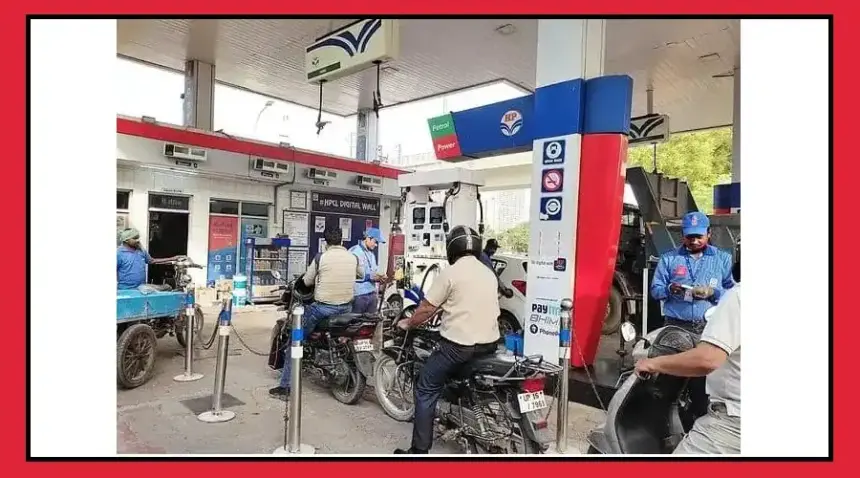
Petrol Export Tax has been increased to ₹2.50 per litre from ₹0.50, while the government has reduced the export duty on diesel to ₹8.50 per litre from ₹16.
The revised rates came into effect on October 16, 2026, following the Centre’s latest review of taxes on petroleum product exports.
The changes bring different outcomes for petrol and diesel exporters. While the levy on petrol exports has increased fivefold, the duty on diesel exports has been reduced by ₹7.50 per litre.
The export duty on aviation turbine fuel (ATF) remains unchanged at ₹10.50 per litre.
The revised rates apply to fuel exports rather than petrol and diesel sold for domestic consumption.
The government has not changed the existing duty rates on fuel cleared for the Indian market, meaning the latest announcement does not directly increase or reduce petrol and diesel prices at local fuel stations.
Petrol Export Tax Hiked, Diesel Duty Reduced
Under the revised structure, the export duty on petrol has risen from ₹0.50 to ₹2.50 per litre.
In contrast, the combined levy applicable to diesel exports, including the Special Additional Excise Duty and road and infrastructure cess, has fallen from ₹16 to ₹8.50 per litre.
The diesel levy has therefore declined by around 47% from its previous level. The petrol duty, meanwhile, has increased by ₹2 per litre, representing a fivefold rise.
The government has retained the export levy on aviation turbine fuel at ₹10.50 per litre for the current fortnight.
This means the latest revision affects petrol and diesel differently, while the applicable duty on aviation fuel remains unchanged.
Will Petrol and Diesel Prices Change at Pumps?
Consumers should not interpret the revised export duties as an immediate change in retail fuel prices.
The changes apply to petroleum products shipped overseas, while the existing duty structure for petrol and diesel sold in the domestic market remains unchanged.
Retail prices at fuel stations are influenced by several factors, including crude oil prices, refining and transportation costs, taxes and the pricing decisions of oil marketing companies.
A change in export duty alone does not automatically result in a corresponding change in the price paid by consumers.
The latest announcement therefore does not establish that petrol or diesel will become cheaper or more expensive at Indian fuel stations from October 16.
Consumers should look for separate announcements concerning domestic retail prices before drawing conclusions about their fuel expenses.
Why Does the Government Review Windfall Taxes?
Windfall taxes and export duties are used to adjust the tax burden on petroleum products sold overseas.
Such levies can help the government respond to differences between domestic and international fuel prices and discourage excessive exports when domestic availability is a concern.
India introduced windfall taxes on fuel exports in July 2022 amid a surge in international energy prices.
The government later withdrew the taxes before reintroducing them in March 2026 as global crude oil prices rose during the conflict involving the United States, Israel and Iran.
The export duties are reviewed every fortnight and can be adjusted in response to movements in international crude oil and petroleum product prices.
The latest revision continues this periodic review, with a higher levy on petrol exports and a lower one on diesel exports.
For fuel exporters, the new rates change the amount of duty payable on eligible shipments.
For ordinary motorists, however, the key point is that the latest revision concerns exports and does not itself announce a change in domestic petrol or diesel prices.