
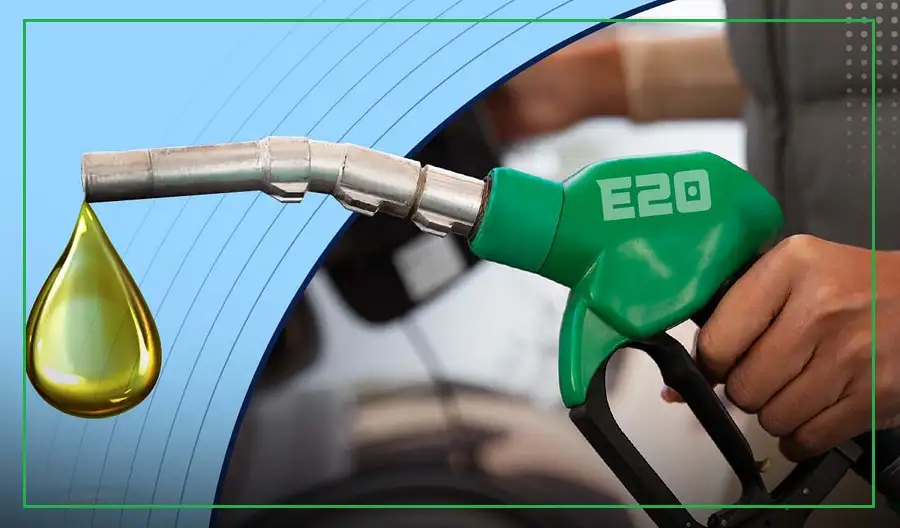
The government is moving ahead with plans to increase the use of ethanol-based fuel in India. Union Minister Nitin Gadkari has already approved a proposal to use 100% ethanol as fuel in the future.
However, many vehicle owners are already noticing lower mileage with E20 fuel.
Since ethanol has a lower energy density than regular petrol, engines need to burn more fuel to produce the same performance. As a result, fuel efficiency can be affected.
If your car’s mileage has dropped after switching to E20 fuel, these simple tips can help improve fuel economy.
1. Maintain a Steady Driving Speed
Driving habits play a major role in fuel consumption. Frequent acceleration, sudden braking, and constantly changing speeds can significantly reduce mileage.
Studies suggest that aggressive driving can lower fuel economy by up to 33% on highways and around 5% in city traffic.
Try to accelerate smoothly and apply brakes gently. On highways, use cruise control whenever possible to maintain a constant speed and save fuel.
2. Keep Tire Pressure at the Right Level
Proper tire pressure is essential for good mileage.
When tires are underinflated, they create more rolling resistance on the road. This forces the engine to work harder and consume more fuel.
Check tire pressure at least once a week and always maintain the level recommended by the vehicle manufacturer. You can usually find this information on a sticker inside the driver’s side door.
3. Avoid Unnecessary Engine Idling
Keeping the engine running while waiting in traffic or at long red lights wastes fuel.
If you expect to remain stationary for an extended period, switch off the engine. Many modern vehicles come with automatic start-stop technology that does this automatically.
For older vehicles, manually turning off the engine during long waits can help reduce fuel consumption and save money.
4. Remove Extra Weight from the Car
Carrying unnecessary weight can reduce fuel efficiency over time.
Experts estimate that every extra 45 kg of weight can lower fuel economy by around 1% to 2%.
Remove items that are not needed from the boot and rear seats. If roof racks or cargo carriers are not in use, take them off as well. They increase air resistance and make the engine consume more fuel.
5. Never Skip Regular Servicing
Regular maintenance is one of the easiest ways to improve mileage.
A dirty air filter, old engine oil, clogged fuel injectors, or delayed servicing can reduce engine efficiency and increase fuel consumption.
Follow the service schedule recommended by the manufacturer. Replace filters on time and get servicing done at authorized service centers whenever possible.
Well-maintained vehicles burn fuel more efficiently and generally deliver better mileage, especially those running on E20 fuel.