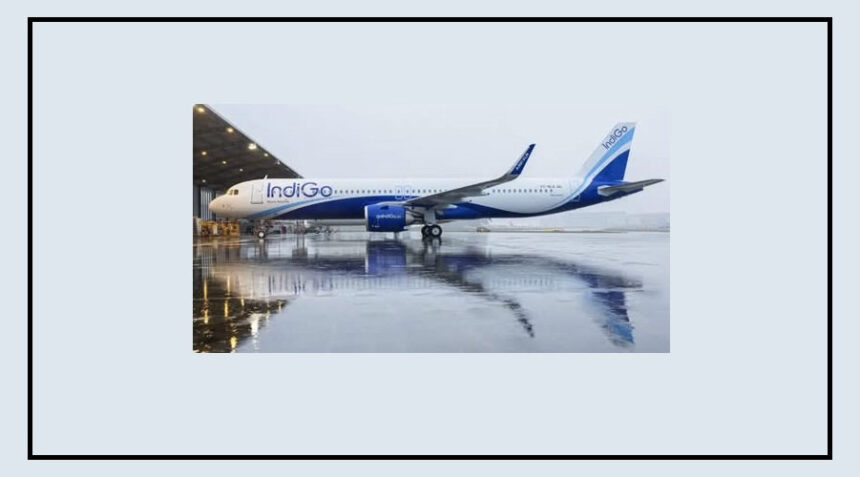
India’s largest airline, IndiGo, has announced a major change in its international operations. The airline will temporarily stop its flights to Manchester, United Kingdom, starting August 31, 2026.
The company says this decision has been taken due to rising operational challenges, higher costs, and disruptions caused by international airspace restrictions.
Why Flights Are Being Suspended
One of the biggest reasons behind this move is the ongoing airspace restrictions in parts of the world. Due to geopolitical tensions in West Asia (Middle East), several countries including Iran, Iraq, Syria, Lebanon, and Kuwait have closed or restricted their airspace.
Because of this, flights between India and Europe cannot take direct routes. Aircraft must take longer alternative paths, which increase flight distance, raise fuel consumption, and extend travel time.
IndiGo currently operates long-haul flights connecting Manchester with Delhi and Mumbai. These routes were launched in July last year as part of the airline’s global expansion plans.
However, the longer routes have now made operations much more expensive and difficult to manage.
Rising Costs and Financial Pressure
In its official statement, IndiGo said that longer flight durations and a challenging cost environment have made the Manchester operations unsustainable for now.
Apart from airspace issues, the airline is also facing rising aviation turbine fuel prices, higher operational and logistics costs, and currency exchange fluctuations affecting expenses.
As a result, the airline is under financial stress. In the January–March quarter of FY 2025–26, IndiGo reported a loss of ₹2,536.9 crore, compared to a profit of ₹3,067.5 crore in the same period last year.
Fleet Changes and Future Plans
As part of its restructuring, IndiGo will also return its leased Boeing 787-9 Dreamliner aircraft, which was taken from Norse Atlantic Airways.
The airline says these decisions are difficult but necessary as it adjusts its long-haul international strategy.
Despite the setback, IndiGo is expected to reassess its international network and may revisit long-haul routes in the future once conditions become more stable.