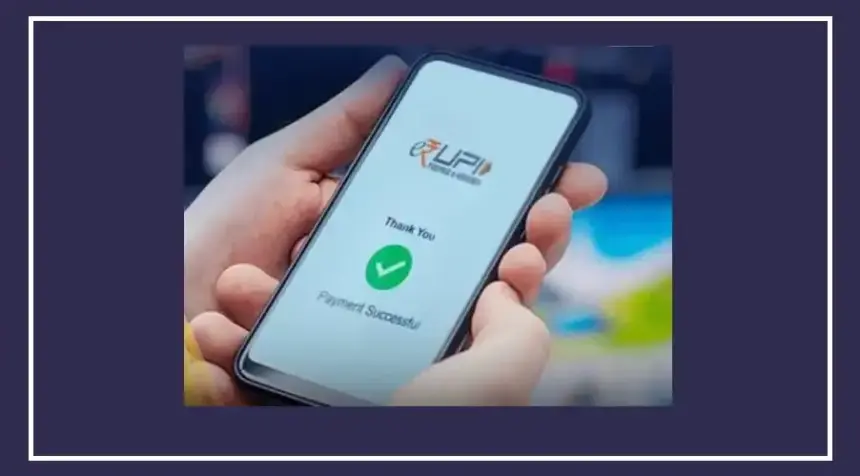
UPI Bill Payment Platform Fee Ban will prevent third-party UPI apps from charging customers a separate fee for bill payments from October 15, 2026, under the new UPI Merchant Discount Rate framework.
The change will affect payments for services such as electricity, water, gas and credit card bills processed through the Bharat Connect platform, earlier known as the Bharat Bill Payment System.
UPI Bill Payment Platform Fee Ban Changes App Revenue
Until now, some UPI apps have charged users a platform fee of around ₹3 to ₹5 on selected bill payments.
The new framework removes this option and prevents UPI applications from imposing a platform fee or any other additional charge on UPI payments.
The move is part of the new MDR framework being introduced for selected merchant transactions.
While customers will not be charged MDR directly, the change alters how payment apps can earn revenue from certain transactions.
Third-party UPI apps have raised concerns over the impact of the platform fee restriction.
According to industry reports, app providers have told the National Payments Corporation of India that the new structure could make some bill-payment transactions financially difficult to process.
Why UPI Apps Are Raising Concerns
The concern is linked to the cost of processing bill payments through Bharat Connect.
Apps have to pay commissions within the bill-payment ecosystem, while the new UPI structure limits the revenue they can receive from these transactions.
Under the new framework, eligible bill payments above ₹2,000 will attract a flat MDR of ₹5 per transaction.
UPI application providers are expected to receive around ₹1 from this amount, with the remaining amount distributed among other participants in the payment ecosystem.
For bill payments of ₹2,000 or less, there will be no MDR.
Since apps will also be prohibited from collecting a platform fee from customers, these transactions will not provide the same direct fee income that some apps previously received.
Industry representatives have therefore argued that the amount available to UPI apps from MDR may not be sufficient to cover their commissions and processing expenses for bill payments.
What Customers Need to Know
For customers, the key change is that UPI apps will not be allowed to add a separate platform fee to bill payments.
The restriction is intended to prevent users from being charged an additional fee through the payment application.
The broader UPI framework also keeps person-to-person transactions free.
Merchant payments up to ₹2,000 remain outside the MDR, while specified larger merchant transactions are subject to the new MDR structure.
The government has clarified that MDR is a charge within the merchant payment ecosystem rather than a direct fee collected from customers.
Banks have also been advised that merchants should not pass MDR costs on to customers.
New UPI Rules Take Effect From October 15
The new rules are scheduled to take effect from October 15, 2026.
They create a different revenue structure for UPI participants while removing the option for apps to collect platform fees from users.
The dispute over bill payments highlights the challenge of balancing free digital payments for consumers with sustainable revenue for companies operating the payment infrastructure.
UPI apps are seeking clarity over whether the revenue available under the new MDR system will adequately cover the costs involved in processing bill payments.
For users, the immediate takeaway is simple: when the new framework takes effect, a separate platform fee should not be added by a UPI app for making a bill payment through UPI.