Planning to study in the United States? A major change in US student visa rules could affect how long you can stay, when you need to apply for extensions, and even how much time you have after completing your course.
The US Department of Homeland Security (DHS) has announced new rules for F-1 and J-1 visa holders, which will come into effect from September 15, 2026.
While most students may not be heavily impacted, those pursuing long-term courses such as PhDs will need to plan their immigration process much more carefully.
What Is Changing?
Until now, international students stayed in the US under the “Duration of Status” (D/S) system, which allowed them to remain in the country as long as they maintained their student status.
From September 15, that system will be replaced with fixed admission periods linked to the duration of a student’s academic programme, with a maximum stay of four years.
Another major change is the post-study grace period, which will be reduced from 60 days to 30 days for F-1 students.
If students need more time to complete their studies or training, they must apply for an Extension of Stay (EOS) through the US Citizenship and Immigration Services (USCIS).
Which Students Will Be Most Affected?
According to immigration experts, most Indian students pursuing one- or two-year master’s programmes in STEM or business are unlikely to face major problems.
However, the new rules could significantly affect:
PhD students
Students pursuing dual-degree programmes
Students moving directly from a master’s degree to a PhD
Students using STEM Optional Practical Training (OPT) close to its expiry
These students may need to apply for an Extension of Stay before their authorised stay ends.
Why Early Planning Is Now More Important
Experts say the biggest change isn’t the four-year limit but the introduction of fixed immigration deadlines.
Earlier, students didn’t have to worry much about their authorised stay while continuing their studies.
Under the new system, missing the deadline without filing an extension could lead to immigration problems.
Students are advised to:
Stay in touch with their university’s international student office.
Keep passports and immigration documents updated.
Track the expiry date of their authorised stay carefully.
Apply for an Extension of Stay well before the deadline.
Apply Early to Avoid Delays
Immigration experts recommend filing the required Extension of Stay application at least 90 days before your authorised stay or OPT expires.
Since USCIS already has a large backlog of pending applications, delays are possible.
Applying early can help students avoid losing their legal status while waiting for approval.
Students should also be prepared to submit additional documents if immigration authorities request more information.
Can Students Travel or Switch to Another Visa?
Experts say students should avoid international travel while an Extension of Stay application is under process unless absolutely necessary.
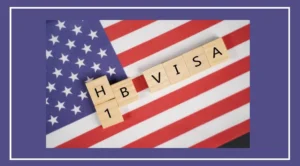
Similarly, switching to employment-based visas such as H-1B or O-1 is possible only if students meet all eligibility requirements.
These visas are separate immigration pathways and do not automatically bypass the new rules.
Students planning to switch visas should begin preparing 6 to 12 months in advance.

Should Indian Students Still Choose the US?
Education experts believe there is no need for most Indian students to change their study plans because of these new rules.
Students enrolled in regular bachelor’s or one- and two-year master’s programmes are expected to complete their courses within the authorised admission period.
However, those planning longer programmes should understand the new immigration timelines before applying.
Experts also point out that countries such as Canada, the UK and Australia already follow fixed post-study work timelines. The US is now moving towards a similar system.
Bottom Line
The new US student visa rules make planning more important than ever.
While the changes may have limited impact on most Indian students, those pursuing long-term courses must carefully monitor their immigration deadlines and apply for extensions on time.
Getting admission to a good university will still be important, but from now on, understanding visa timelines will be just as essential for a smooth academic journey in the US.